Bill · H.R. 2219· House(119-HR-2219)
Salary History Question Prohibition Act
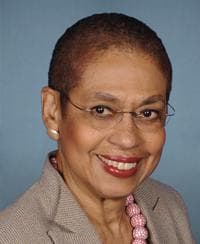
- Introduced
- 3/18/2025
- Last activity
- 3/18/2025 — Referred to the House Committee on Education and Workforce.
- Sponsored by
- Eleanor Norton
- Cosponsors
- - 2 - 0
- Introduced
- In Committee
What this bill would do
This bill, known as the "Salary History Question Prohibition Act," aims to amend the Fair Labor Standards Act of 1938. It seeks to prohibit employers from relying on a prospective employee's wage or benefit history during the hiring process. Specifically, it stops employers from using past wages to set new pay or requiring specific prior wage criteria for employment consideration. The act also prohibits retaliation against those who oppose these practices. It establishes civil penalties and allows employees to seek damages and attorney's fees.
Yes· 3 of 12
Would households on low incomes be better off under this?+5
Restricting wage history reliance can help low-income workers secure higher starting wages and break cycles of low pay.
Would Black Americans be better off under this?+5
The bill helps mitigate historical wage gaps that often disproportionately affect Black workers.
Would Hispanic Americans be better off under this?+5
Limiting wage history checks helps prevent the perpetuation of wage disparities for Hispanic workers.
The opposite
Would business owners be better off under this?-4
Employers face new compliance requirements and potential civil penalties and legal liabilities.
Who it would affect, and how
Potential Positive Impacts for People
-
Protection against wage-based hiring criteria: Under Section 2(a)(1), employers would be prohibited from requiring that a prospective employee's prior wages meet certain minimum or maximum criteria to be considered for a job.
-
Limitations on pay determination: According to Section 2(a)(2), employers are generally prohibited from relying on wage history to determine a prospective employee's wages, unless the employee voluntarily provides it to support a higher wage after a compensation offer is made.
-
Prevention of invasive inquiries: Section 2(a)(3) prohibits employers from seeking a prospective employee's wage history from them or their previous employers, except for confirming information provided voluntarily after an offer is made.
-
Protection from retaliation: Section 2(a)(4) makes it unlawful to discharge or retaliate against any employee or prospective employee who opposes the practices prohibited by this section or takes action regarding forbidden discrimination.
-
Financial recourse for violations: Section 2(b) allows affected employees or prospective employees to seek special damages up to $10,000 plus attorney's fees if an employer violates these provisions.
Potential Negative Impacts for People
-
Civil penalties for employers: Under Section 2(b)(1)(A), employers who violate these provisions may face a civil penalty of $5,000 for a first offense, which increases by $1,000 for each subsequent offense up to $10,000.
-
Liability and legal costs: Section 2(b)(1)(B) states that employers may be liable to employees or prospective employees for special damages not to exceed $10,000 plus attorney's fees and may be subject to injunctive relief.
Groups and Interests Ranking
Every group the model scored this bill for, from -10 to +10. Hover a score for the reason it gave.
- Demographic And Interest Groups
- Good For African Americans+5Good For Hispanic Americans+5Good For Low Income Households+5Good For Women+5Good For Middle Class Households+3Good For Students+3Good For Young Adults+3Good For Business Owners-4
- Social Issues And Justice
- Improves Gender Equality+5Improves Racial Equity+5Improves Poverty Reduction+3
- Governance And Ideology
- Improves Privacy Rights+4Increases Federal Power+3
- 6/30/2026
- 1 Cosponsor added.
- 5/8/2025
- 1 Cosponsor added.
- 3/18/2025
- Sponsor introductory remarks on measure. (CR E225)
- Referred to the House Committee on Education and Workforce.
- Introduced in House
2 bills Congress.gov lists as related to this one — companions in the other chamber, earlier versions, and bills this one absorbed or was folded into.
 Deborah Ross
Democrat · North Carolina
 Rashida Tlaib
Democrat · Michigan