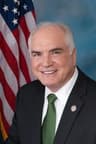
Mike Kelly (R-PA)
To amend the Internal Revenue Code of 1986 to treat membership in a health care sharing ministry as a medical expense, and for other purposes.
A Republican bill with 9 Republican cosponsors · See all 9 cosponsors
Last activity — Referred to the House Committee on Ways and Means.
In committee
Introduced and handed to a committee in the chamber it started in.
The committee holds it, and most bills are never heard from again. A hearing or a committee vote would be news; silence is the usual outcome, and it kills the bill without anyone voting against it.
Its path through Congress
- Introduced
- In Committee
What this bill would do
This bill proposes to amend the Internal Revenue Code of 1986. It seeks to treat membership in a health care sharing ministry as a medical expense. This change would include the sharing of medical expenses and the payment of administrative fees. Additionally, the bill specifies that these ministries shall not be treated as a health plan or as insurance. These changes are intended to take effect for taxable years beginning after December 31, 2025.
Yes· 3 of 4
- Scored +5
Would middle-income households be better off under this?
Could provide tax relief for middle-class families using healthcare sharing ministries.
- Scored +5
Does this cut taxes for middle-income families?
Allows individuals to deduct healthcare sharing ministry costs as medical expenses, potentially lowering tax liability.
- Scored +5
Does this make health care easier to get in general?
Provides tax incentives for healthcare sharing ministries, potentially increasing access to alternative healthcare funding models.
The opposite
No question was scored the opposite.
Who it would affect, and how
Potential Positive Impacts for People
- Tax Treatment of Membership: Under Section 1(a), membership in a health care sharing ministry would be treated as a medical expense. This includes the sharing of medical expenses and the payment of administrative fees.
Potential Negative Impacts for People
- No negative impacts are explicitly stated in the provided text.
Groups and Interests Ranking
Every group the model scored this bill for, from -10 to +10. Tap or hover a score for the reason it gave.
- Demographic And Interest Groups
- Would middle-income households be better off under this? — Could provide tax relief for middle-class families using healthcare sharing ministries.
- Economy And Finance
- Does this cut taxes for middle-income families? — Allows individuals to deduct healthcare sharing ministry costs as medical expenses, potentially lowering tax liability.
- Healthcare
- Does this make health care easier to get in general? — Provides tax incentives for healthcare sharing ministries, potentially increasing access to alternative healthcare funding models.
- Social Issues And Justice
- Does this protect the freedom to practise a religion? — Supports the financial structure of healthcare sharing ministries which are often faith-based organizations.
- 4/29/2026
- 1 Cosponsor added.
- 12/16/2025
- 1 Cosponsor added.
- 11/10/2025
- 2 Cosponsors added.
- 5/20/2025
- 1 Cosponsor added.
- 5/7/2025
- 1 Cosponsor added.
- 4/24/2025
- 1 Cosponsor added.
- 3/11/2025
- Referred to the House Committee on Ways and Means.
- 2 Cosponsors added.
- Introduced in House
One bill Congress.gov lists as related to this one — companions in the other chamber, earlier versions, and bills this one absorbed or was folded into.
 Andy Harris
Republican · Maryland
 Gregory Murphy
Republican · North Carolina
 Mary Miller
Republican · Illinois
 Nathaniel Moran
Republican · Texas
 Tim Moore
Republican · North Carolina
 Robert Onder
Republican · Missouri
 David Rouzer
Republican · North Carolina
 Christopher Smith
Republican · New Jersey
 W. Steube
Republican · Florida