Bill · H.R. 1994· House(119-HR-1994)
Public Land Renewable Energy Development Act of 2025
- Introduced
- 3/10/2025
- Last activity
- 3/28/2025 — Referred to the Subcommittee on Forestry and Horticulture.
- Sponsored by
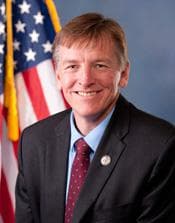
- Paul Gosar
- Cosponsors
- - 3 - 0
- Introduced
- In Committee
What this bill would do
The Public Land Renewable Energy Development Act of 2025 aims to encourage the growth of wind and solar energy projects on federal lands. The bill defines covered land as federal land that is not excluded from such development by law or land use plans. It establishes specific rules for how revenues from these projects, such as rents and fees, are distributed. A portion of the money goes to the states and counties where the projects are located. The bill also creates the Renewable Energy Resource Conservation Fund to support local agencies and environmental protections. Finally, it provides guidelines for how existing projects may be grandfathered under previous rent and fee structures.
Yes· 3 of 14
Does this put more money into wind, solar and other renewable power?+7
The bill facilitates the expansion of renewable energy infrastructure on federal lands.
Does this cut the pollution that drives climate change?+6
The bill actively promotes the development of wind and solar energy, which helps reduce carbon emissions.
Does this better protect air, water and wildlife?+5
The bill establishes a fund specifically for habitat restoration and water body protection.
The opposite
No question was scored the opposite.
Who it would affect, and how
Potential Positive Impacts for People
-
Direct Financial Support to States and Counties: Twenty-five percent of collected revenues will be paid to the State where the revenue is derived, and another twenty-s-five percent will be paid to the specific counties where the revenue is derived (Section 5(a)(1)(A) and (B)).
-
Expediting Project Development: Twenty-five percent of revenues are set aside to help the Secretary carry out programs that facilitate the processing of renewable energy permits, with a priority on expediting permits in the states where the revenue comes from (Section 5(a)(1)(C)).
-
Environmental Protection and Habitat Restoration: The Renewable Energy Resource Conservation Fund can be used to restore and protect fish and wildlife habitats, corridors, and natural water bodies like wetlands and streams that are affected by energy development (Section 5(c)(2)(A)).
-
Improved Recreational Access: Funds from the new account may be used to preserve or improve public access to federal land and water through easements or other instruments with willing landowners (Section 5(c)(2)(B)).
-
Additional Funding for Counties: Payments made to counties under this act are intended to be in addition to existing payments in lieu of taxes (Section 5(b)(2)).
Potential Negative Impacts for People
- Financial Obligations for Existing Projects: Owners of projects that applied for a right-of-way on or before December 19, 2016, are obligated to pay the rents and fees that were in effect before the December 19, 2016, Bureau of Land Management rule (Section 4(b)).
Groups and Interests Ranking
Every group the model scored this bill for, from -10 to +10. Hover a score for the reason it gave.
- Environment Energy And Infrastructure
- Increases Renewable Energy Investment+7Reduces Carbon Emissions+6Improves Environmental Protections+5Improves Public Land Management+5Improves Rural Development+4Reduces Fossil Fuel Production+2
- Demographic And Interest Groups
- Good For Rural Residents+5Good For Business Owners+4Good For Native Americans+3
- Economy And Finance
- Improves Economic Growth+4Increases Job Creation+3
- Governance And Ideology
- Increase States Rights+3Improves Government Transparency+2Increases Federal Power+2
- 4/1/2025
- 1 Cosponsor added.
- 3/28/2025
- Referred to the Subcommittee on Forestry and Horticulture.
- 3/10/2025
- Referred to the Committee on Natural Resources, and in addition to the Committee on Agriculture, for a period to be subsequently determined by the Speaker, in each case for consideration of such provisions as fall within the jurisdiction of the committee concerned.
- 2 Cosponsors added.
- Introduced in House
 Mark Amodei
Republican · Nevada
 Doug LaMalfa
Republican · California
 Pete Stauber
Republican · Minnesota