
Emanuel Cleaver (D-MO)
Correctional Facilities Occupational Safety and Health Act of 2026
A Democratic bill with 5 Democratic cosponsors · See all 5 cosponsors
Last activity — Referred to the Committee on Education and Workforce, and in addition to the Committee on the Judiciary, for a period to be subsequently determined by the Speaker, in each case for consideration of such provisions as fall within the jurisdiction of the committee concerned.
In committee
Introduced and handed to a committee in the chamber it started in.
The committee holds it, and most bills are never heard from again. A hearing or a committee vote would be news; silence is the usual outcome, and it kills the bill without anyone voting against it.
Its path through Congress
- Introduced
- In Committee
What this bill would do
This bill is called the Correctional Facilities Occupational Safety and Health Act of 2026. It aims to improve job safety rules for people who are incarcerated and perform work while in correctional facilities. The legislation requires state plans and the Federal Bureau of Prisons to include incarcerated workers under workplace safety protections. It also sets up reporting rules for safety conditions, injuries, and deaths at these facilities. Additionally, the bill provides financial incentives and grants to help states enact and enforce these safety protections.
Yes· 3 of 7
- Scored +4
Does this make what the government does easier for the public to see?
The legislation requires regular annual reporting on workplace safety conditions, injuries, and deaths in correctional facilities to Congress and the Attorney General.
- Scored +3
Would people in their twenties and thirties be better off under this?
Incarcerated workers, disproportionately including young adults, benefit from mandated workplace safety protections.
- Scored +3
Would people in middle age be better off under this?
Incarcerated workers of middle age benefit from mandatory occupational health and safety standards.
The opposite
No question was scored the opposite.
Who it would affect, and how
Potential Positive Impacts for People
-
Safety Coverage for Incarcerated Workers: Section 2 updates the Occupational Safety and Health Act of 1970 to explicitly include incarcerated workers under state and federal safety protections, ensuring they have safer working conditions during prison work and programs.
-
Regular Reporting on Facility Conditions: Sections 2 and 3 require public agencies, state plans, and the Bureau of Prisons to submit annual reports to Congress and the Attorney General detailing workplace safety conditions, potential noncompliance, and any worker injuries or deaths.
-
Funding and Grants for States: Sections 3 and 4 set aside at least $20,000,000 from specific grant funds and authorize $20,000,000 annually from fiscal years 2027 through 2032 to help states establish, implement, and enforce safety protections for incarcerated workers.
Potential Negative Impacts for People
- There are no explicit negative consequences or burdens for individuals or groups of people identified within the provided text of the bill.
Groups and Interests Ranking
Every group the model scored this bill for, from -10 to +10. Tap or hover a score for the reason it gave.
- Demographic And Interest Groups
- Would households on low incomes be better off under this? — Incarcerated individuals, who frequently come from low-income backgrounds, receive improved safety protections while performing prison work programs. Would people in middle age be better off under this? — Incarcerated workers of middle age benefit from mandatory occupational health and safety standards. Would people in their twenties and thirties be better off under this? — Incarcerated workers, disproportionately including young adults, benefit from mandated workplace safety protections. Would union members be better off under this? — Expanding formal occupational safety and health standards to incarcerated workers aligns with broader labor protections.
- Governance And Ideology
- Does this make what the government does easier for the public to see? — The legislation requires regular annual reporting on workplace safety conditions, injuries, and deaths in correctional facilities to Congress and the Attorney General. Does this give the federal government more power? — The bill expands federal occupational safety and health standards to cover state and federal correctional facilities.
- Social Issues And Justice
- Does this shorten or soften prison sentences? — The bill enhances occupational safety, reporting, and protections for incarcerated workers within correctional facilities.
- 11/24/2026
- Referred to the Committee on Education and Workforce, and in addition to the Committee on the Judiciary, for a period to be subsequently determined by the Speaker, in each case for consideration of such provisions as fall within the jurisdiction of the committee concerned.
- 5 Cosponsors added.
- Introduced in House
 Sydney Kamlager-Dove
Democrat · California
 Eleanor Norton
Democrat · District of Columbia
 Delia Ramirez
Democrat · Illinois
 Rashida Tlaib
Democrat · Michigan
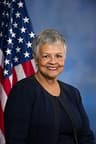 Bonnie Watson Coleman
Democrat · New Jersey