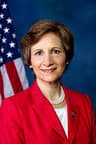
Suzanne Bonamici (D-OR)
To improve nutrition assistance for people experiencing homelessness, and for other purposes.
A Democratic bill with 20 Democratic cosponsors · See all 20 cosponsors
Last activity — Referred to the House Committee on Agriculture.
In committee
Introduced and handed to a committee in the chamber it started in.
The committee holds it, and most bills are never heard from again. A hearing or a committee vote would be news; silence is the usual outcome, and it kills the bill without anyone voting against it.
Its path through Congress
- Introduced
- In Committee
What this bill would do
This bill creates a pilot program to help people experiencing homelessness connect with SNAP resources and benefits. It requires the Secretary, working with the Secretary of Housing and Urban Development, to award grants to various eligible entities within 180 days. These grants are meant to raise awareness, support enrollment, train workers, and help people verify exemptions from work requirements. Eligible groups can receive between $50,000 and $500,000 for up to five years to provide application help, outreach, and transportation. The bill also requires regular reports to Congress on how the program is working and authorizes $12,500,000 for each of the fiscal years 2027 through 2032.
Yes· 3 of 25
- Scored +8
Would households on low incomes be better off under this?
The legislation directly aids low-income and unhoused individuals by streamlining enrollment, training workers, and funding transportation to SNAP offices.
- Scored +6
Would people with disabilities be better off under this?
The bill simplifies work requirement exemptions for individuals who are physically or mentally unfit for employment without rigidly requiring physician certifications.
- Scored +6
Is this likely to lift people out of poverty?
The bill establishes a pilot program to connect people experiencing homelessness with SNAP resources and benefits, helping lift vulnerable individuals out of food insecurity.
The opposite
No question was scored the opposite.
Who it would affect, and how
Potential Positive Impacts for People
-
Section 31(b)(1) and Section 31(d)(1) focus on raising awareness, prescreening, and helping individuals complete applications for SNAP benefits, including specific deductions for homeless households. This is positive because it directly helps people navigate paperwork to get food assistance.
-
Section 31(b)(3) and Section 31(d)(5) provide training for outreach workers and caseworkers on SNAP requirements and how to support homeless individuals. This is beneficial because it ensures the people helping out on the ground are properly equipped to assist vulnerable populations.
-
Section 31(d)(3) allows grant money to be used for transportation to and from local SNAP offices, including vouchers. This is a positive provision because lack of transportation is a major hurdle for unhoused individuals trying to access government services.
-
Section 31(b)(4) helps individuals identify and verify exemptions from SNAP time limits without strictly requiring a physician's certification when other forms of verification are permitted. This is helpful because it removes rigid medical paperwork barriers for unhoused people who cannot easily see a doctor.
Potential Negative Impacts for People
- The provided text does not contain explicit sections or provisions that outline negative consequences or burdens for individuals or groups of people in the United States.
Groups and Interests Ranking
Every group the model scored this bill for, from -10 to +10. Tap or hover a score for the reason it gave.
- Demographic And Interest Groups
- Would households on low incomes be better off under this? — The legislation directly aids low-income and unhoused individuals by streamlining enrollment, training workers, and funding transportation to SNAP offices. Would people with disabilities be better off under this? — The bill simplifies work requirement exemptions for individuals who are physically or mentally unfit for employment without rigidly requiring physician certifications. Would children be better off under this? — Connecting homeless families and households with children to SNAP benefits improves access to essential nutrition for youth. Would people in middle age be better off under this? — Middle-aged individuals experiencing homelessness gain better access to nutrition assistance and simplified verification processes for work requirement exemptions. Would people over 65 be better off under this? — Older adults facing housing instability are supported through specialized outreach and enrollment assistance for food security programs. Would women be better off under this? — Women, including single mothers experiencing housing insecurity, will benefit from targeted application help and streamlined social services. Would people in their twenties and thirties be better off under this? — Young adults experiencing homelessness will benefit from targeted outreach, application assistance, and transportation vouchers for food assistance. Would Black Americans be better off under this? — African Americans disproportionately affected by homelessness will benefit from expanded access to food assistance and barrier-reduction measures. Would Hispanic Americans be better off under this? — Hispanic Americans experiencing homelessness benefit from bilingual accommodations and translation of materials required under the grant program. Would immigrants be better off under this? — Immigrants experiencing homelessness can benefit from bilingual accommodations and application assistance provided by community-based organizations. Would LGBTQ people be better off under this? — LGBTQ youth and adults experiencing homelessness at disproportionate rates will be better supported through specialized community outreach. Would men be better off under this? — Unattached men, who make up a large portion of the unhoused population, will gain better access to food assistance and outreach workers. Would Native Americans be better off under this? — Indian tribes and Tribal organizations are explicitly included as eligible entities to receive grant funding for homeless outreach and SNAP enrollment. Would retired people be better off under this? — Low-income retirees facing housing instability will benefit from streamlined enrollment and transportation support for food benefits. Would people in rural areas be better off under this? — Rural communities are included through eligible entities like community action agencies and local governments receiving grants for outreach and transportation. Would students be better off under this? — Unhoused or housing-insecure students will have improved pathways to secure nutrition assistance for their overall well-being. Would people in cities be better off under this? — Urban areas with high concentrations of unsheltered individuals will see increased resources for street outreach and local agency coordination. Would veterans be better off under this, taking everything together? — Veterans experiencing homelessness will benefit from coordinated outreach and assistance connecting with vital federal nutrition programs. Would Asian Americans be better off under this? — Asian American unhoused individuals who face language or systemic barriers will be reached through culturally and linguistically adapted outreach. Would white Americans be better off under this? — White Americans experiencing homelessness will benefit equally from increased local availability of application assistance and nutritional support.
- Social Issues And Justice
- Is this likely to lift people out of poverty? — The bill establishes a pilot program to connect people experiencing homelessness with SNAP resources and benefits, helping lift vulnerable individuals out of food insecurity. Is this likely to reduce homelessness? — By facilitating access to nutrition assistance and support services, the bill aids individuals experiencing homelessness in stabilizing their living situations.
- Governance And Ideology
- Does this make what the government does easier for the public to see? — The bill mandates regular reports to Congress evaluating the pilot program, detailing awards, projects, and demographic information of those served.
- Economy And Finance
- Is this likely to grow the economy? — The bill provides federal grant funding for outreach and administrative support, offering minor economic stimulation through targeted community services.
- Environment Energy And Infrastructure
- Does this invest in rural communities? — Community action agencies and local entities in rural areas are eligible to receive grant funding for nutrition outreach and transportation assistance.
- 11/19/2026
- Referred to the House Committee on Agriculture.
- 20 Cosponsors added.
- Introduced in House
 Nanette Barragán
Democrat · California
 Shontel Brown
Democrat · Ohio
 Steve Cohen
Democrat · Tennessee
 André Carson
Democrat · Indiana
 Judy Chu
Democrat · California
 Jesús García
Democrat · Illinois
 Jonathan Jackson
Democrat · Illinois
 Raja Krishnamoorthi
Democrat · Illinois
 Grace Meng
Democrat · New York
 Jerrold Nadler
Democrat · New York
 Eleanor Norton
Democrat · District of Columbia
 Ilhan Omar
Democrat · Minnesota
 Chellie Pingree
Democrat · Maine
 Delia Ramirez
Democrat · Illinois
 Linda Sánchez
Democrat · California
 Mary Gay Scanlon
Democrat · Pennsylvania
 Andrea Salinas
Democrat · Oregon
 Lateefah Simon
Democrat · California
 Ritchie Torres
Democrat · New York
 Bonnie Watson Coleman
Democrat · New Jersey