Bill · H.R. 10595· House(119-HR-10595)
Stop Wall Street Looting Act
- Introduced
- 9/24/2026
- Last activity
- 9/24/2026 — Referred to the Committee on Ways and Means, and in addition to the Committees on Financial Services, the Judiciary, and Education and Workforce, for a period to be subsequently determined by the Speaker, in each case for consideration of such provisions as fall within the jurisdiction of the committee concerned.
- Sponsored by
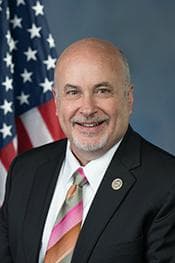
- Mark Pocan
- Cosponsors
- - 8 - 0
- Introduced
- In Committee
What this bill would do
This legislation is known as the Stop Wall Street Looting Act. It aims to hold private investment funds responsible for the financial debts, legal penalties, and labor violations of the companies they buy and control. The bill places strict limits on the money these funds can take out of acquired companies through dividends, buybacks, and asset sales. It also provides stronger legal protections and bankruptcy priorities for workers who lose jobs, wages, or benefits due to corporate takeovers. Additionally, the legislation increases transparency by requiring private funds to publicly disclose their fees, returns, and political spending. Finally, it changes tax laws to treat certain investment management profits as ordinary income rather than capital gains.
Yes· 3 of 12
Does this make what the government does easier for the public to see?+8
Title V requires private funds to publicly disclose fees, debt levels, fund performance, and political spending.
Would union members be better off under this?+8
Section 209 protects striking workers, and Title III prioritizes unpaid wages, severance, and pension obligations in bankruptcy.
Does this raise taxes on the highest earners?+7
Title IV changes tax laws to treat certain investment management profits and carried interest as ordinary income rather than capital gains.
The opposite· 3 of 7
Would billionaires be better off under this?-8
The legislation directly targets Wall Street private equity billionaires by eliminating tax loopholes and imposing strict joint and several liability.
Would people with substantial wealth be better off under this?-7
Higher tax burdens and stricter transparency and fiduciary rules negatively affect private equity fund managers and wealthy investors.
Would the very wealthiest people be better off under this?-7
Private fund managers and ultra-high-net-worth individuals face significantly higher taxes on carried interest and strict liability rules.
Who it would affect, and how
Potential Positive Impacts for People
-
Better Bankruptcy Pay for Workers: Section 301 increases the priority amount for unpaid wages and severance pay to $20,000 in bankruptcy cases, helping everyday workers get what they are owed before other creditors take the money.
-
Protection Against Worker Layoffs and Outsourcing: Section 201 stops target firms from ordering mass layoffs and relocating jobs outside the United States for a period of 4 years after a private equity fund takes control.
-
Safeguarding Gift Cards: Section 310 ensures that everyday consumers who hold gift cards for a company that goes bankrupt receive priority status for their unredeemed funds up to $1,800, protecting people from losing their hard-earned money.
-
Greater Financial Transparency: Section 501 requires private funds to publicly disclose their fees, debt levels, and fund performance, which gives investors and the public a clear look at how these firms operate.
Potential Negative Impacts for People
-
Increased Borrowing Costs for Businesses: Section 204 limits the tax deduction for business interest for certain companies owned by private funds if their debt-to-equity ratio exceeds 1, which could make it harder or more expensive for these businesses to secure loans for growth.
-
Higher Tax Burdens on Investment Managers: Title IV changes how investment management profits are taxed by treating them as ordinary income, which could discourage private investment in local businesses and communities that rely on these funds for capital.
Groups and Interests Ranking
Every group the model scored this bill for, from -10 to +10. Hover a score for the reason it gave.
- Economy And Finance
- Increases Wealthy Taxes+7Improves Consumer Protection+6Increases Corporate Taxes+6Increases Job Creation-4Improves Small Business Support-3
- Social Issues And Justice
- Improves Affordable Housing+5Improves Poverty Reduction+4
- Governance And Ideology
- Improves Government Transparency+8
- Demographic And Interest Groups
- Good For Union Workers+8Good For Low Income Households+6Good For Retirees+6Good For People With Disabilities+5Good For Seniors+5Good For Veterans+4Good For Billionaires-8Good For High Net Worth Individuals-7Good For Ultra High Net Worth Individuals-7Good For High Income Households-6Good For Business Owners-5
- 9/24/2026
- Referred to the Committee on Ways and Means, and in addition to the Committees on Financial Services, the Judiciary, and Education and Workforce, for a period to be subsequently determined by the Speaker, in each case for consideration of such provisions as fall within the jurisdiction of the committee concerned.
- 8 Cosponsors added.
- Introduced in House
6 bills Congress.gov lists as related to this one — companions in the other chamber, earlier versions, and bills this one absorbed or was folded into.
 Jesús García
Democrat · Illinois
 Pramila Jayapal
Democrat · Washington
 Greg Landsman
Democrat · Ohio
 Eleanor Norton
Democrat · District of Columbia
 Alexandria Ocasio-Cortez
Democrat · New York
 Ilhan Omar
Democrat · Minnesota
 Delia Ramirez
Democrat · Illinois
 Rashida Tlaib
Democrat · Michigan