
A Republican bill with 3 Republican cosponsors · See all 3 cosponsors
Last activity — Referred to the House Committee on Energy and Commerce.
In committee
Introduced and handed to a committee in the chamber it started in.
The committee holds it, and most bills are never heard from again. A hearing or a committee vote would be news; silence is the usual outcome, and it kills the bill without anyone voting against it.
Its path through Congress
- Introduced
- In Committee
What this bill would do
This bill, titled the "Jobs and Opportunities for Medicaid Act," seeks to amend title XIX of the Social Security Act. It proposes implementing a minimum work requirement for able-bodied adults enrolled in State Medicaid programs. Starting January 1, 2026, medical assistance would not be provided to able-bodied adults who fail to meet specific requirements. To meet these requirements, an adult must work or volunteer at least 20 hours per week on a monthly average. The bill also provides specific definitions and exemptions for who qualifies as an able-bodied adult.
Yes
- Scored +2
Does this reduce what the federal government spends?
By restricting Medicaid eligibility for able-bodied adults who do not work, the bill likely reduces federal and state Medicaid expenditures.
- Scored +1
Is this likely to create jobs?
The bill encourages employment by mandating work or volunteer hours for Medicaid eligibility.
The opposite· 3 of 6
- Scored -5
Does this make health care easier to get in general?
The work requirement creates a barrier to health care access for able-s-bodied adults who cannot meet the 20-hour weekly threshold.
- Scored -4
Would households on low incomes be better off under this?
Low-income individuals may lose health coverage due to the new mandatory work or volunteer hour requirements.
- Scored -3
Would people in their twenties and thirties be better off under this?
Young adults aged 18 to 65 are subject to the new work requirements to maintain Medicaid coverage.
Who it would affect, and how
Potential Positive Impacts for People
The provided text does not list specific benefits or positive outcomes for individuals or groups.
Potential Negative Impacts for People
-
Loss of medical assistance: Able-bodied adults may lose access to medical assistance if they do not meet the work or volunteer requirements, such as working or volunteering 20 hours or more per week based on a monthly average (Section 2, subsection (uu)(1)).
-
New requirements for Medicaid enrollment: Beginning January 1, 2026, the bill would stop providing medical assistance to able-bodied adults who have not met the work requirements (Section 2, subsection (a)(88)).
Groups and Interests Ranking
Every group the model scored this bill for, from -10 to +10. Tap or hover a score for the reason it gave.
- Demographic And Interest Groups
- Would households on low incomes be better off under this? — Low-income individuals may lose health coverage due to the new mandatory work or volunteer hour requirements. Would people in middle age be better off under this? — Middle-aged adults are required to work or volunteer 20 hours a week to remain eligible for medical assistance. Would people in their twenties and thirties be better off under this? — Young adults aged 18 to 65 are subject to the new work requirements to maintain Medicaid coverage.
- Healthcare
- Does this make health care easier to get in general? — The work requirement creates a barrier to health care access for able-s-bodied adults who cannot meet the 20-hour weekly threshold. Does this put more money into Medicaid, the health coverage for people on low incomes? — The bill restricts coverage for able-bodied adults, which may lead to a reduction in total Medicaid enrollment and spending.
- Economy And Finance
- Does this reduce what the federal government spends? — By restricting Medicaid eligibility for able-bodied adults who do not work, the bill likely reduces federal and state Medicaid expenditures. Is this likely to create jobs? — The bill encourages employment by mandating work or volunteer hours for Medicaid eligibility.
- Social Issues And Justice
- Is this likely to lift people out of poverty? — The requirement may increase financial instability for able-bodied adults who fail to meet the work hours and consequently lose health coverage.
- 3/5/2025
- 2 Cosponsors added.
- 2/13/2025
- 1 Cosponsor added.
- 2/6/2025
- Referred to the House Committee on Energy and Commerce.
- Introduced in House
One bill Congress.gov lists as related to this one — companions in the other chamber, earlier versions, and bills this one absorbed or was folded into.
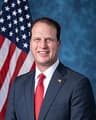 August Pfluger
Republican · Texas
 Claudia Tenney
Republican · New York
 Beth Van Duyne
Republican · Texas