Bill · S. 447· Senate(119-S-447)
Jobs and Opportunities for Medicaid Act
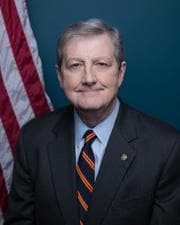
- Introduced
- 2/6/2025
- Last activity
- 2/6/2025 — Read twice and referred to the Committee on Finance.
- Sponsored by
- John Kennedy
- Cosponsors
- - 1 - 0
- Introduced
- In Committee
What this bill would do
This bill, known as the "Jobs and Opportunities for Medicaid Act," aims to change how Medicaid works for certain people. It seeks to amend the Social Security Act to add a work requirement for able-bodied adults. Starting January 1, 2026, medical assistance would not be provided for a month if an able-bodied adult does not meet specific requirements. To meet these requirements, an adult must work or volunteer for at least 20 hours per week on a monthly average. The bill provides specific exemptions for certain groups such as children, seniors, and pregnant individuals.
Yes· 3 of 6
Does this reduce what the federal government spends?+2
The bill may reduce federal Medicaid spending by denying assistance to individuals who fail to meet work requirements.
Would children be better off under this?+1
The bill explicitly exempts individuals under 18 from the work requirements.
Would people over 65 be better off under this?+1
The bill explicitly exempts individuals over the age of 65 from the work requirements.
The opposite· 3 of 5
Does this make health care easier to get in general?-4
The bill creates a barrier to healthcare access for able-bodied adults who cannot meet the 20-hour work or volunteer threshold.
Would households on low incomes be better off under this?-4
The work requirement poses a risk of losing medical assistance for low-income able-bodied adults.
Would people in their twenties and thirties be better off under this?-3
Able-bodied young adults may lose health coverage if they do not meet the 20-hour weekly work or volunteer requirement.
Who it would affect, and how
Potential Positive Impacts for People
-
Exemptions for vulnerable groups (Section 2, subsection uu(2)): Certain individuals will not be subject to the work requirement, which provides a safeguard for those unable to work. This includes people under 18 or over 65, those medically certified as unfit for employment, pregnant individuals, and primary caretakers of young children or children with serious medical conditions.
-
Support for those in recovery or receiving benefits (Section 2, subsection uu(2)): The bill excludes individuals receiving unemployment compensation or those participating in drug or alcohol treatment and rehabilitation programs from the work requirement.
Potential Negative Impacts for People
-
Loss of medical assistance (Section 2, subsection a(88)): Able-bodied adults who do not meet the work or volunteer requirements may lose their Medicaid medical assistance starting January 1, 2026.
-
New time commitments for coverage (Section 2, subsection uu(1)): To maintain medical assistance, an individual must satisfy a requirement of working or volunteering at least 20 hours per week based on a monthly average.
Groups and Interests Ranking
Every group the model scored this bill for, from -10 to +10. Hover a score for the reason it gave.
- Healthcare
- Improves Healthcare Access-4Increases Medicaid Funding-2
- Demographic And Interest Groups
- Good For Children+1Good For People With Disabilities+1Good For Seniors+1Good For Women+1Good For Low Income Households-4Good For Young Adults-3
- Economy And Finance
- Reduces Government Spending+2Increases Job Creation+1
- Social Issues And Justice
- Improves Poverty Reduction-2
- 2/6/2025
- Read twice and referred to the Committee on Finance.
- 1 Cosponsor added.
- Introduced in Senate
One bill Congress.gov lists as related to this one — companions in the other chamber, earlier versions, and bills this one absorbed or was folded into.
 Eric Schmitt
Republican · Missouri