Bill · H.R. 10455· House(119-HR-10455)
Debt-Free College Act of 2026
- Introduced
- 9/16/2026
- Last activity
- 9/16/2026 — Referred to the House Committee on Education and Workforce.
- Sponsored by
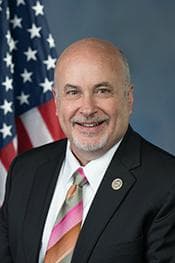
- Mark Pocan
- Cosponsors
- - 17 - 0
- Introduced
- In Committee
What this bill would do
This bill creates State-Federal partnerships aimed at helping students attend in-state public colleges without debt. It sets up grant programs for states, Historically Black Colleges and Universities (HBCUs), and Minority-Serving Institutions (MSIs) to cover students' unmet financial needs. The legislation caps tuition and fees at participating institutions to prevent runaway price hikes. Additionally, the bill expands Federal Pell Grant eligibility to include DREAMer students who meet specific criteria. Finally, it establishes federal oversight offices and reporting requirements to ensure participating states and schools follow the rules.
Yes· 3 of 14
Would students be better off under this?+10
The bill is fundamentally designed to provide debt-free higher education to students.
Does this make college cost less?+10
The bill creates a massive investment to enable debt-free college at public institutions.
Would households on low incomes be better off under this?+9
The bill specifically aims to support low-income and underserved students through financial aid and success programs.
The opposite
No question was scored the opposite.
Who it would affect, and how
Potential Positive Impacts for People
-
Debt-Free Higher Education Opportunities: Section 499A-3 and Section 499A-5 establish grants for states to cover the unmet financial need of eligible students, giving individuals the chance to attend in-state public colleges without debt.
-
Support for DREAMer Students: Section 4 of the bill amends federal law to allow DREAMer students who meet specific educational, age of entry, or military service requirements to be eligible for Federal Pell Grants and Title IV financial aid.
-
Targeted Aid for HBCUs and MSIs: Section 3 creates a grant program under Section 372 for Historically Black Colleges and Universities, Tribal Colleges and Universities, and other Minority-Serving Institutions to provide need-based financial aid and cover unmet student needs.
-
Tuition and Fee Caps: Section 499A-4 and Section 3 require participating states and eligible institutions to cap tuition and fees at current levels, permitting only yearly increases based on the Consumer Price Index.
-
Student Success Services: Section 499A-5 mandates that a portion of grant funds be used for student success programs, such as hiring additional counselors, providing tutoring, and offering microgrants to help low-income students graduate.
Potential Negative Impacts for People
-
Strict Compliance and Loss of Eligibility: Section 499A-7 and Section 3 outline penalties where states or institutions that breach program terms can be placed on probation, fined, or have their funding revoked, which could disrupt financial aid for students if a school loses eligibility.
-
Restrictions on Aid Distribution Priorities: Section 499A-5 requires states to disburse remaining funds to non-Pell Grant recipients based on state-determined priorities, potentially leaving some students with unmet financial needs if funds run out.
Groups and Interests Ranking
Every group the model scored this bill for, from -10 to +10. Hover a score for the reason it gave.
- Demographic And Interest Groups
- Good For Students+10Good For Immigrants+9Good For Low Income Households+9Good For African Americans+8Good For Hispanic Americans+8Good For Native Americans+8Good For Young Adults+8Good For Middle Class Households+5
- Social Issues And Justice
- Improves Racial Equity+8Improves Childcare Affordability+5Improves Poverty Reduction+5
- Education And Technology
- Improves College Affordability+10Improves Student Loan Relief+5
- Governance And Ideology
- Increases Federal Power+5
- 9/16/2026
- Referred to the House Committee on Education and Workforce.
- 17 Cosponsors added.
- Introduced in House
5 bills Congress.gov lists as related to this one — companions in the other chamber, earlier versions, and bills this one absorbed or was folded into.
 Yvette Clarke
Democrat · New York
 Judy Chu
Democrat · California
 Donald Davis
Democrat · North Carolina
 Cleo Fields
Democrat · Louisiana
 Vicente Gonzalez
Democrat · Texas
 Jesús García
Democrat · Illinois
 Daniel Goldman
Democrat · New York
 Pramila Jayapal
Democrat · Washington
 Zoe Lofgren
Democrat · California
 Ted Lieu
Democrat · California
 Morgan McGarvey
Democrat · Kentucky
 Eleanor Norton
Democrat · District of Columbia
 Chellie Pingree
Democrat · Maine
 Ayanna Pressley
Democrat · Massachusetts
 Lateefah Simon
Democrat · California
 Rashida Tlaib
Democrat · Michigan
 Bonnie Watson Coleman
Democrat · New Jersey