Bill · H.R. 10426· House(119-HR-10426)
Backlog Justice Act of 2026
- Introduced
- 9/16/2026
- Last activity
- 9/16/2026 — Referred to the House Committee on the Judiciary.
- Sponsored by
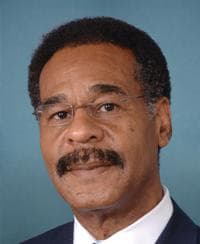
- Emanuel Cleaver
- Cosponsors
- - 15 - 4
- Introduced
- In Committee
What this bill would do
This bill is known as the Backlog Justice Act of 2026. It focuses on improving how sexual assault evidence is processed across the country. The legislation directs the Attorney General to create a public online database tracking sexual assault kits and testing times. It also sets up training programs for analysts and a program to research new DNA testing technologies. Additionally, the bill provides increased grant funding for states that use electronic tracking systems for sexual assault kits. Finally, it requires regular public reports on the status and needs of the forensic science community.
Yes· 3 of 7
Would women be better off under this?+6
The legislation directly aids survivors of sexual assault, who are predominantly women, by improving tracking systems and decreasing evidence testing backlogs.
Does this make what the government does easier for the public to see?+6
The bill creates a publicly accessible online database tracking sexual assault kits and testing times, and mandates regular public reports on forensic science needs.
Does this narrow the gap between how men and women are treated?+5
By improving the processing and tracking of sexual assault evidence kits, the bill disproportionately benefits survivors, who are predominantly women.
The opposite
No question was scored the opposite.
Who it would affect, and how
Potential Positive Impacts for People
-
Section 2: Creates a publicly accessible online database showing data on sexual assault evidence kits and estimated testing times. This is positive because it brings transparency and accountability to government agencies handling these sensitive items.
-
Section 3: Authorizes training programs through the FBI for individuals hired as evidence analysts and for DNA Technical Leaders. This could be beneficial by helping increase the number of qualified professionals available to test evidence.
-
Section 5: Increases grant funding for states that use a website-based electronic tracking system for sexual assault kits. This is a positive step because it allows survivors of sexual assault and their advocates to track the status of their kits from the hospital through final disposition.
Potential Negative Impacts for People
- Section 3(b): States that nothing in the section requires a State or local forensic science service provider to participate in the training programs. This could be seen as a limitation because it does not force local labs to take part, meaning some areas might choose not to benefit from the offered training.
Groups and Interests Ranking
Every group the model scored this bill for, from -10 to +10. Hover a score for the reason it gave.
- Social Issues And Justice
- Improves Gender Equality+5Improves Policing Reform+4
- Demographic And Interest Groups
- Good For Women+6
- Governance And Ideology
- Improves Government Transparency+6
- Education And Technology
- Increases Scientific Research Funding+4
- Healthcare
- Increases Research Funding+4
- Economy And Finance
- Increases Job Creation+3
- 9/16/2026
- Referred to the House Committee on the Judiciary.
- 19 Cosponsors added.
- Introduced in House
 Alma Adams
Democrat · North Carolina
 Suzanne Bonamici
Democrat · Oregon
 Yvette Clarke
Democrat · New York
 Judy Chu
Democrat · California
 Salud Carbajal
Democrat · California
 Debbie Dingell
Democrat · Michigan
 Brian Fitzpatrick
Republican · Pennsylvania
 Josh Harder
Democrat · California
 Stephen Lynch
Democrat · Massachusetts
 Michael Lawler
Republican · New York
 Ryan Mackenzie
Republican · Pennsylvania
 Eleanor Norton
Democrat · District of Columbia
 Chellie Pingree
Democrat · Maine
 Mike Quigley
Democrat · Illinois
 Lateefah Simon
Democrat · California
 Shri Thanedar
Democrat · Michigan
 Frederica Wilson
Democrat · Florida
 Ann Wagner
Republican · Missouri
 Bonnie Watson Coleman
Democrat · New Jersey