Bill · H.R. 10246· House(119-HR-10246)
9–8–8 Community Infrastructure Act
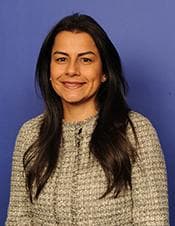
- Introduced
- 9/3/2026
- Last activity
- 9/3/2026 — Referred to the House Committee on Energy and Commerce.
- Sponsored by
- Nanette Barragán
- Cosponsors
- - 9 - 0
- Introduced
- In Committee
What this bill would do
This bill is called the 9-8-8 Community Infrastructure Act. It amends the Public Health Service Act to provide health center capital grants. The Secretary will award these grants to eligible entities for capital projects. Eligible entities include certain health centers, Tribes, tribal organizations, and specific crisis receiving and stabilization facilities or crisis call centers. Grant funds must be used for crisis response program facility alteration, renovation, remodeling, expansion, new construction, and loan payments for these purposes. The bill authorizes $1,000,000,000 to be appropriated to carry out this section, remaining available until expended.
Yes· 3 of 9
Does this make mental health care easier to get?+7
The bill provides $1 billion for capital grants to improve facilities and expand access to mental health and substance use crisis services.
Does this do more about addiction and overdose deaths?+6
The expansion of crisis receiving and stabilization facilities directly supports substance use disorder treatment and crisis management.
Would households on low incomes be better off under this?+5
The bill's emphasis on sliding scale payments ensures that those with less ability to pay can still access crisis services.
The opposite
No question was scored the opposite.
Who it would affect, and how
Potential Positive Impacts for People
-
Eligible entities can receive grants for capital projects under Section 330Q(a). This is positive because the funds can be used for facility alteration, renovation, remodeling, expansion, new construction, and paying loan costs for crisis response programs as stated in Section 330Q(c).
-
Crisis receiving and stabilization facilities that meet specific requirements under Section 330Q(d)(1) must provide services using a sliding scale of payment. They cannot reject or limit services based on a patient's ability to pay, place of residence, prior forensic engagement, acuity of mental health or substance use condition, intellectual or developmental disability, age, or related factors, ensuring broad access to care.
-
Under Section 330Q(d)(1)(D), facilities must support a no-wrong-door admission capacity available to law enforcement officers, emergency medical personnel, and family members, which could make drop-offs and care access easier for people in crisis.
Potential Negative Impacts for People
- The provided text does not contain any specific sections or provisions that outline negative consequences or burdens for individuals or groups of people in the United States.
Groups and Interests Ranking
Every group the model scored this bill for, from -10 to +10. Hover a score for the reason it gave.
- Demographic And Interest Groups
- Good For Low Income Households+5Good For Native Americans+5Good For Children+4Good For People With Disabilities+4
- Healthcare
- Improves Mental Health Access+7Improves Opioid Crisis Response+6Improves Healthcare Access+5
- Social Issues And Justice
- Improves Disability Rights+4Improves Policing Reform+3
- 9/21/2026
- 1 Cosponsor added.
- 9/3/2026
- Referred to the House Committee on Energy and Commerce.
- 8 Cosponsors added.
- Introduced in House
One bill Congress.gov lists as related to this one — companions in the other chamber, earlier versions, and bills this one absorbed or was folded into.
 Jim Costa
Democrat · California
 Doris Matsui
Democrat · California
 Jennifer McClellan
Democrat · Virginia
 Eleanor Norton
Democrat · District of Columbia
 Nellie Pou
Democrat · New Jersey
 Adam Smith
Democrat · Washington
 Lori Trahan
Democrat · Massachusetts
 Jill Tokuda
Democrat · Hawaii
 Shri Thanedar
Democrat · Michigan