Bill · H.R. 10245· House(119-HR-10245)
9–8–8 and 9–1–1 Integration Act
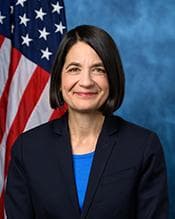
- Introduced
- 9/3/2026
- Last activity
- 9/3/2026 — Referred to the House Committee on Energy and Commerce.
- Sponsored by
- Becca Balint
- Cosponsors
- - 6 - 0
- Introduced
- In Committee
What this bill would do
This bill is known as the 9-8-8 and 9-1-1 Integration Act. It directs the Secretary of Health and Human Services, along with the Attorney General, to set up a panel. This panel will create recommendations for training and protocols for 9-1-1 dispatchers. The main goal is to make sure dispatchers handle behavioral health crises properly based on what the caller needs. The panel will include various experts like psychiatrists, paramedics, law enforcement, and members of underserved communities. The panel must also create data collection and reporting standards and send reports to Congress.
Yes· 3 of 18
Does this make mental health care easier to get?+7
The bill enhances mental health crisis response by integrating 9-8-8 and 9-1-1 services.
Would veterans be better off under this, taking everything together?+6
The bill explicitly targets those with PTSD and includes veterans in the panel.
Would people with disabilities be better off under this?+6
The bill addresses the needs of those with serious mental illness and psychiatric symptoms.
The opposite
Does this give the government more power to monitor people inside the country?-2
The increased data collection on 9-1-1 calls could potentially impact privacy.
Who it would affect, and how
Potential Positive Impacts for People
-
Section 2(d)(1)(A): This provision looks at connecting 9-1-1 callers to crisis care services instead of sending law enforcement officers. This is positive because it could help people get specialized mental health support rather than a police response.
-
Section 2(d)(2)(A): This requires training dispatch personnel on cultural competency, implicit bias, and best practices for behavioral or mental health crises. This benefits the public by ensuring dispatchers treat callers more fairly and understand their specific needs.
-
Section 2(e)(2): This states that the panel must ensure data is collected in a way that protects caller privacy and confidentiality. This is a clear benefit for individuals who want to seek help without worrying about their private information being shared improperly.
Potential Negative Impacts for People
- Based on the provided text, there are no explicit negative impacts or burdens for individuals or groups of people identified in the bill.
Groups and Interests Ranking
Every group the model scored this bill for, from -10 to +10. Hover a score for the reason it gave.
- Demographic And Interest Groups
- Good For People With Disabilities+6Good For Veterans+6Good For Native Americans+5Good For Rural Residents+5Good For Low Income Households+4
- Healthcare
- Improves Mental Health Access+7Improves Opioid Crisis Response+5Improves Veterans Healthcare+5Improves Healthcare Access+4
- Social Issues And Justice
- Improves Policing Reform+6Improves Racial Equity+5Improves Disability Rights+4
- Governance And Ideology
- Improves Government Transparency+5Improves Privacy Rights+3Increases Federal Power+2
- Environment Energy And Infrastructure
- Improves Rural Development+4
- Education And Technology
- Improves Data Privacy+3
- National Security And Foreign Policy
- Improves Veterans Benefits+5Increases Domestic Surveillance-2
- 9/3/2026
- Referred to the House Committee on Energy and Commerce.
- 6 Cosponsors added.
- Introduced in House
One bill Congress.gov lists as related to this one — companions in the other chamber, earlier versions, and bills this one absorbed or was folded into.
 Nanette Barragán
Democrat · California
 Doris Matsui
Democrat · California
 Jennifer McClellan
Democrat · Virginia
 Eleanor Norton
Democrat · District of Columbia
 Adam Smith
Democrat · Washington
 Lori Trahan
Democrat · Massachusetts