Bill · H.R. 10205· House(119-HR-10205)
REACH Our Tribes Act
- Introduced
- 9/1/2026
- Last activity
- 9/1/2026 — Referred to the Committee on Agriculture, and in addition to the Committees on Transportation and Infrastructure, and Financial Services, for a period to be subsequently determined by the Speaker, in each case for consideration of such provisions as fall within the jurisdiction of the committee concerned.
- Sponsored by
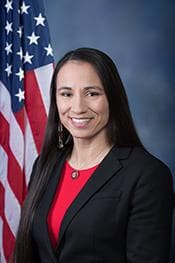
- Sharice Davids
- Cosponsors
- - 0 - 1
- Introduced
- In Committee
What this bill would do
This bill is known as the REACH Our Tribes Act. It sets up a formal process for the Department of Agriculture to consult with Tribal Governments regarding annual budgets and multi-year farm bills. The legislation requires the government to publicly report on program funding provided to Tribal entities. It creates an interagency task force to cut down the paperwork and burdens for economic development programs. Additionally, the bill directs the creation of a public, easy-to-find repository listing all federal economic development programs available to Tribes.
Yes· 3 of 12
Would Native Americans be better off under this?+8
The bill provides significant benefits to Tribal governments through consultation, transparency, and economic development assistance.
Does this narrow racial gaps in how people are treated?+5
The bill promotes equity for Tribal nations through formal consultation and improved access to economic assistance.
Does this invest in rural communities?+5
The bill specifically targets economic development and consultation for Tribal entities, which often reside in rural areas.
The opposite
No question was scored the opposite.
Who it would affect, and how
Potential Positive Impacts for People
-
Section 2: This part requires the Department of Agriculture to consult with Tribal Governments at least annually on budget requests and farm bills. This is a positive step because it gives elected tribal leaders a direct voice in federal spending decisions that affect their communities.
-
Section 3: This section requires reporting on program funding and directs the government to find ways to improve outreach and technical assistance for underutilized programs. This helps ensure Tribal entities actually receive the financial support and resources they are eligible for.
-
Section 5: This creates an interagency task force to combine rules and reduce the administrative paperwork for applicants. This makes it much easier for people and communities to apply for economic development programs without drowning in red tape.
-
Section 6: This creates a working group to build a single public repository of all federal economic development programs available to Tribal entities. This is helpful because it allows communities to easily see what funding is available in one place instead of searching through multiple government agencies.
Potential Negative Impacts for People
- Based on the provided text, there are no specific provisions that create negative consequences, burdens, or harms for individuals or groups of people in the United States.
Groups and Interests Ranking
Every group the model scored this bill for, from -10 to +10. Hover a score for the reason it gave.
- Demographic And Interest Groups
- Good For Native Americans+8Good For Rural Residents+4Good For Business Owners+3Good For Farmers+3Good For Low Income Households+2Good For Urban Residents+2
- Social Issues And Justice
- Improves Racial Equity+5Improves Poverty Reduction+3
- Economy And Finance
- Improves Small Business Support+4Improves Economic Growth+3
- Environment Energy And Infrastructure
- Improves Rural Development+5
- Governance And Ideology
- Improves Government Transparency+5
- 9/1/2026
- Referred to the Committee on Agriculture, and in addition to the Committees on Transportation and Infrastructure, and Financial Services, for a period to be subsequently determined by the Speaker, in each case for consideration of such provisions as fall within the jurisdiction of the committee concerned.
- 1 Cosponsor added.
- Introduced in House
3 bills Congress.gov lists as related to this one — companions in the other chamber, earlier versions, and bills this one absorbed or was folded into.
 Nicholas Langworthy
Republican · New York