Bill · S. 5240· Senate(119-S-5240)
REACH Our Tribes Act
- Introduced
- 8/4/2026
- Last activity
- 8/4/2026 — Read twice and referred to the Committee on Agriculture, Nutrition, and Forestry.
- Sponsored by
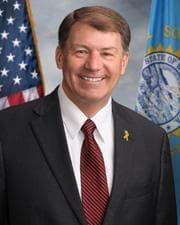
- Mike Rounds
- Cosponsors
- - 0 - 1
- Introduced
- In Committee
What this bill would do
This bill requires the Department of Agriculture to set up a formal, annual consultation process with Tribal Governments regarding annual budget requests and multi-year program reauthorizations like farm bills. It directs the Secretary of Agriculture to report on program funding to Tribal entities and to identify ways to improve assistance for underutilized programs. An interagency task force is created between the Department of Agriculture, the Department of Housing and Urban Development, and the Department of Commerce to reduce administrative and planning burdens for applicants. The legislation also establishes a working group led by the Secretary of Commerce to create and maintain a public repository of Federal economic development programs available to Tribal entities. Finally, the bill mandates reporting requirements to relevant congressional committees concerning the development of the Tribal consultation process.
Yes· 3 of 12
Would Native Americans be better off under this?+8
The bill directly enhances the consultation, transparency, and economic assistance available to Tribal entities.
Would people in rural areas be better off under this?+5
The bill targets rural economic development and agricultural program accessibility.
Does this narrow racial gaps in how people are treated?+5
The bill enhances the political voice and economic assistance accessibility of Tribal Governments.
The opposite
No question was scored the opposite.
Who it would affect, and how
Potential Positive Impacts for People
-
Section 2: Establishes a formal annual consultation process between the Department of Agriculture and Tribal Governments regarding annual budget requests and farm bills. This gives Tribal leaders a direct voice in how federal funds and agricultural policies are shaped.
-
Section 3: Requires the Secretary of Agriculture and the Office of Tribal Relations to publicly report program funding to Tribal entities and conduct outreach to provide technical assistance for underutilized programs. This helps ensure Tribal communities are fully aware of and able to access financial resources they are eligible for.
-
Section 5: Creates an interagency task force to review guidance and application requirements, aiming to reduce administrative and planning burdens for applicants. This makes it easier and less frustrating for people and communities to apply for economic development programs.
-
Section 6: Directs a working group to establish a comprehensive, public repository of Federal economic development programs available to Tribal entities. This centralizes information so that Tribal groups can easily find and utilize federal assistance programs.
Potential Negative Impacts for People
- The provided text does not contain any specific sections or provisions that explicitly outline negative consequences, burdens, or harms for individuals or groups of people in the United States.
Groups and Interests Ranking
Every group the model scored this bill for, from -10 to +10. Hover a score for the reason it gave.
- Demographic And Interest Groups
- Good For Native Americans+8Good For Rural Residents+5Good For Business Owners+4Good For Farmers+4Good For Low Income Households+2Good For Urban Residents+2
- Social Issues And Justice
- Improves Racial Equity+5Improves Poverty Reduction+3
- Economy And Finance
- Improves Small Business Support+4Improves Economic Growth+3
- Environment Energy And Infrastructure
- Improves Rural Development+5
- Governance And Ideology
- Improves Government Transparency+5
- 8/4/2026
- Read twice and referred to the Committee on Agriculture, Nutrition, and Forestry.
- 1 Cosponsor added.
- Introduced in Senate
3 bills Congress.gov lists as related to this one — companions in the other chamber, earlier versions, and bills this one absorbed or was folded into.
 Ben Luján
Democrat · New Mexico