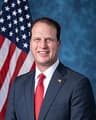
August Pfluger (R-TX)
Proposing an amendment to the Constitution of the United States to prohibit persons who are not citizens, nationals, or lawful permanent residents of the United States from voting in elections.
A Republican resolution with 8 Republican cosponsors · See all 8 cosponsors
Last activity — Referred to the House Committee on the Judiciary.
In committee
Introduced and handed to a committee in the chamber it started in.
The committee holds it, and most bills are never heard from again. A hearing or a committee vote would be news; silence is the usual outcome, and it kills the bill without anyone voting against it.
Its path through Congress
- Introduced
- In Committee
What this bill would do
This joint resolution proposes an amendment to the Constitution of the United States. The amendment aims to prohibit certain individuals from voting in elections. Specifically, it targets those who are not citizens, nationals, or lawful permanent residents. This prohibition would apply to Federal, State, Tribal, or local offices. It also extends to offices in the District of Columbia and any United States territories or possessions.
Yes
- Scored +2
Does this tighten control of the border?
The bill aligns voting eligibility with stricter legal status requirements often associated with immigration control.
- Scored +2
Does this make elections run better?
The bill seeks to standardize voter eligibility across all federal, state, local, and territorial levels of government.
The opposite· 3 of 6
- Scored -6
Would immigrants be better off under this?
The bill specifically prohibits non-citizens and non-permanent residents from participating in the democratic process.
- Scored -5
Does this protect the right to vote?
The amendment restricts the right to vote by prohibiting non-citizens, nationals, or lawful permanent residents from participating in all levels of elections.
- Scored -5
Does this make casting a ballot easier in practice?
The amendment reduces voting access by creating a constitutional barrier for non-citizens and those without permanent resident status.
Who it would affect, and how
Potential Positive Impacts for People
- Clarification of voting eligibility: By establishing specific categories of people allowed to vote, the amendment defines who may vote in Federal, State, Tribal, or local elections under Section 1.
Potential Negative Impacts for People
- Restriction of voting rights: The amendment would prohibit any person from voting in Federal, State, Tribal, or local elections if they are not a citizen, a national, or a person lawfully accorded the privilege of residing permanently in the United States, as stated in Section 1.
Groups and Interests Ranking
Every group the model scored this bill for, from -10 to +10. Tap or hover a score for the reason it gave.
- Demographic And Interest Groups
- Would immigrants be better off under this? — The bill specifically prohibits non-citizens and non-permanent residents from participating in the democratic process. Would Hispanic Americans be better off under this? — The restriction on voting rights may disproportionately impact Hispanic communities with high numbers of non-citizen residents. Would households on low incomes be better off under this? — The bill may disproportionately affect low-income immigrant populations who do not yet have citizenship or permanent residency status.
- Social Issues And Justice
- Does this tighten control of the border? — The bill aligns voting eligibility with stricter legal status requirements often associated with immigration control. Does this make casting a ballot easier in practice? — The amendment reduces voting access by creating a constitutional barrier for non-citizens and those without permanent resident status. Does this protect the right to vote? — The amendment restricts the right to vote by prohibiting non-citizens, nationals, or lawful permanent residents from participating in all levels of elections. Does this make it easier for immigrants already here to become citizens? — The amendment creates a higher stakes environment for those not yet citizens or permanent residents by excluding them from the political process.
- Governance And Ideology
- Does this make elections run better? — The bill seeks to standardize voter eligibility across all federal, state, local, and territorial levels of government.
- 3/5/2025
- 1 Cosponsor added.
- 2/25/2025
- 1 Cosponsor added.
- 2/11/2025
- 1 Cosponsor added.
- 2/5/2025
- 1 Cosponsor added.
- 1/31/2025
- Referred to the House Committee on the Judiciary.
- 4 Cosponsors added.
- Introduced in House
One bill Congress.gov lists as related to this one — companions in the other chamber, earlier versions, and bills this one absorbed or was folded into.
 Jodey Arrington
Republican · Texas
 Lauren Boebert
Republican · Colorado
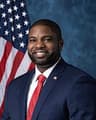 Byron Donalds
Republican · Florida
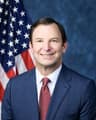 Craig Goldman
Republican · Texas
 Abraham Hamadeh
Republican · Arizona
 Ryan Mackenzie
Republican · Pennsylvania
 William Timmons
Republican · South Carolina
 Jefferson Van Drew
Republican · New Jersey