Bill · H.J.Res. 216· House(119-HJRES-216)
Proposing an amendment to the Constitution of the United States to prohibit the use of slavery and involuntary servitude as a punishment for a crime.
- Introduced
- 9/15/2026
- Last activity
- 9/15/2026 — Referred to the House Committee on the Judiciary.
- Sponsored by
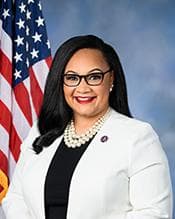
- Nikema Williams
- Cosponsors
- - 54 - 0
- Introduced
- In Committee
What this bill would do
This joint resolution proposes an amendment to the United States Constitution to prohibit the use of slavery and involuntary servitude as a punishment for a crime. The text points out that the Thirteenth Amendment previously included an exception allowing this practice for criminal punishment. Congress found that this continued existence is against democratic values and can hurt the country's moral credibility. The resolution clarifies that it does not intend to interfere with correctional work programs where people consent to work, nor does it affect current employment protections or court discretion to offer community service. The proposed amendment states simply that neither slavery nor involuntary servitude may be imposed as a punishment for a crime.
Yes· 3 of 4
Does this narrow racial gaps in how people are treated?+7
The resolution proposes a constitutional amendment to ban slavery and involuntary servitude as a punishment for a crime, directly addressing historical racial disparities stemming from the Thirteenth Amendment.
Does this shorten or soften prison sentences?+6
By prohibiting the use of involuntary servitude as a criminal punishment, the bill promotes reform in how incarcerated individuals are treated within the criminal justice system.
Would Black Americans be better off under this?+6
The resolution acknowledges and seeks to rectify the historical impact of the Thirteenth Amendment's exception clause, which disproportionately affected Black Americans.
The opposite
No question was scored the opposite.
Who it would affect, and how
Potential Positive Impacts for People
-
Ban on Forced Labor as Punishment: The resolution proposes a constitutional amendment stating that neither slavery nor involuntary servitude may be imposed as a punishment for a crime. This is positive because it completely closes the exception left by the Thirteenth Amendment that allowed these practices for incarcerated individuals.
-
Protection of Voluntary Work Programs: The text explicitly notes it is not the intent of Congress to interfere with opportunities for incarcerated people to consent to work or to modify any employment protections currently available to them. This is a positive for people in correctional institutions who want to gain useful skills and stability through high-quality work programs without losing protections.
-
Preservation of Sentencing Alternatives: The resolution acknowledges the importance of sentencing alternatives and states it is not the purpose of the amendment to interfere with a court's discretion to offer community service instead of incarceration. This ensures judges can still offer constructive community service options to individuals.
Potential Negative Impacts for People
Based on the provided text, there are no specific sections or provisions identified that create negative consequences or burdens for individuals or groups of people in the United States.
Groups and Interests Ranking
Every group the model scored this bill for, from -10 to +10. Hover a score for the reason it gave.
- Social Issues And Justice
- Improves Racial Equity+7Improves Criminal Sentencing Reform+6
- Demographic And Interest Groups
- Good For African Americans+6
- Governance And Ideology
- Improves Due Process+5
- 9/15/2026
- Referred to the House Committee on the Judiciary.
- 54 Cosponsors added.
- Introduced in House
One bill Congress.gov lists as related to this one — companions in the other chamber, earlier versions, and bills this one absorbed or was folded into.
 Gabe Amo
Democrat · Rhode Island
 Sanford Bishop
Democrat · Georgia
 Joyce Beatty
Democrat · Ohio
 Ami Bera
Democrat · California
 Donald Beyer
Democrat · Virginia
 Nanette Barragán
Democrat · California
 Emanuel Cleaver
Democrat · Missouri
 Yvette Clarke
Democrat · New York
 Judy Chu
Democrat · California
 Troy Carter
Democrat · Louisiana
 Greg Casar
Democrat · Texas
 Diana DeGette
Democrat · Colorado
 Christopher Deluzio
Democrat · Pennsylvania
 Suzan DelBene
Democrat · Washington
 Mark DeSaulnier
Democrat · California
 Madeleine Dean
Democrat · Pennsylvania
 Maxine Dexter
Democrat · Oregon
 Maxwell Frost
Democrat · Florida
 Jesús García
Democrat · Illinois
 Steven Horsford
Democrat · Nevada
 Jared Huffman
Democrat · California
 Henry Johnson
Democrat · Georgia
 Jonathan Jackson
Democrat · Illinois
 Robin Kelly
Democrat · Illinois
 Raja Krishnamoorthi
Democrat · Illinois
 Sydney Kamlager-Dove
Democrat · California
 Stephen Lynch
Democrat · Massachusetts
 Ted Lieu
Democrat · California
 Susie Lee
Democrat · Nevada
 Summer Lee
Democrat · Pennsylvania
 Gwen Moore
Democrat · Wisconsin
 Seth Moulton
Democrat · Massachusetts
 Jennifer McClellan
Democrat · Virginia
 Eleanor Norton
Democrat · District of Columbia
 Ilhan Omar
Democrat · Minnesota
 Chellie Pingree
Democrat · Maine
 Scott Peters
Democrat · California
 Jimmy Panetta
Democrat · California
 Ayanna Pressley
Democrat · Massachusetts
 Mike Quigley
Democrat · Illinois
 Delia Ramirez
Democrat · Illinois
 Janice Schakowsky
Democrat · Illinois
 Terri Sewell
Democrat · Alabama
 Mary Gay Scanlon
Democrat · Pennsylvania
 Melanie Stansbury
Democrat · New Mexico
 Lateefah Simon
Democrat · California
 Mark Takano
Democrat · California
 Rashida Tlaib
Democrat · Michigan
 Lori Trahan
Democrat · Massachusetts
 Lauren Underwood
Democrat · Illinois
 Nydia Velázquez
Democrat · New York
 Debbie Wasserman Schultz
Democrat · Florida
 Frederica Wilson
Democrat · Florida
 Bonnie Watson Coleman
Democrat · New Jersey