Bill · H.J.Res. 17· House(119-HJRES-17)
Proposing a balanced budget amendment to the Constitution of the United States.
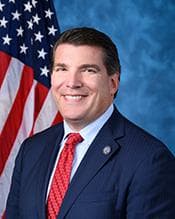
- Introduced
- 1/13/2025
- Last activity
- 1/13/2025 — Referred to the House Committee on the Judiciary.
- Sponsored by
- Jay Obernolte
- Cosponsors
- - 2 - 0
- Introduced
- In Committee
What this bill would do
This joint resolution proposes a balanced budget amendment to the United States Constitution. It requires that total outlays for any fiscal year do not exceed total receipts. An exception is allowed if two-thirds of the whole number of each House of Congress approves a specific excess via a rollcall vote. The President must submit a proposed budget where outlays do not exceed receipts prior to each fiscal year. The amendment would take effect starting with the fifth fiscal year after its ratification.
Yes
Does this make the government pay for what it commits to?+7
The resolution requires a balanced budget and proactive presidential budget submission to ensure government spending aligns with its receipts.
Does this reduce what the federal government spends?+6
By requiring that outlays do not exceed receipts, the bill imposes a constitutional limit on federal government spending.
Does this reduce what the federal government owes?+5
The amendment mandates that total outlays cannot exceed total receipts without a supermajority vote, which restricts the ability to run deficits that increase national debt.
The opposite· 3 of 4
Does this give the federal government more power?-3
The amendment constrains the federal government's authority to spend money beyond its collected receipts.
Would households on low incomes be better off under this?-2
The strict spending limits could potentially reduce funding for social safety net programs that rely on deficit spending.
Would people in cities be better off under this?-2
Reductions in federal spending could impact urban-centric public services and infrastructure funding.
Who it would affect, and how
Potential Positive Impacts for People
-
Requirement for Balanced Budgets: Section 1 mandates that total outlays cannot exceed total receipts unless a two-thirds vote of both Houses is achieved. This establishes a rule to keep government spending within the limits of its receipts.
-
Presidential Budgetary Responsibility: Section 2 requires the President to transmit a proposed budget to Congress where total outlays do not exceed total receipts. This ensures a proactive planning process for a balanced budget each year.
Potential Negative Impacts for People
-
Strict Spending Limitations: Section 1 limits outlays to total receipts unless a supermajority of two-thirds of the whole number of each House provides for an excess by a rollcall vote. This creates a high threshold for any spending that exceeds receipts.
-
Exclusion of Borrowing from Receipts: Section 4 states that total receipts include all receipts except those derived from borrowing. This means the government cannot rely on borrowed money to cover its outlays under this rule.
-
Exclusion of Debt Principal Repayment from Outlays: Section 4 states that total outlays include all outlays except for those for repayment of debt principal. This limits what is considered an official outlay for the purposes of this article.
Groups and Interests Ranking
Every group the model scored this bill for, from -10 to +10. Hover a score for the reason it gave.
- Economy And Finance
- Improves Fiscal Responsibility+7Reduces Government Spending+6Reduces National Debt+5
- Demographic And Interest Groups
- Good For Low Income Households-2Good For Urban Residents-2Good For Middle Class Households-1
- Governance And Ideology
- Increases Federal Power-3
- 1/16/2025
- 1 Cosponsor added.
- 1/13/2025
- Referred to the House Committee on the Judiciary.
- 1 Cosponsor added.
- Introduced in House
2 bills Congress.gov lists as related to this one — companions in the other chamber, earlier versions, and bills this one absorbed or was folded into.
 Scott Franklin
Republican · Florida
 Randy Weber
Republican · Texas