Bill · H.J.Res. 121· House(119-HJRES-121)
Proposing an amendment to the Constitution of the United States relating to contributions and expenditures intended to affect elections.
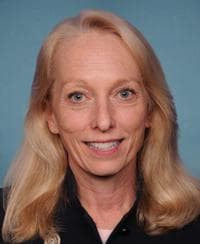
- Introduced
- 9/11/2025
- Last activity
- 9/11/2025 — Referred to the House Committee on the Judiciary.
- Sponsored by
- Mary Gay Scanlon
- Cosponsors
- - 46 - 0
- Introduced
- In Committee
What this bill would do
This joint resolution proposes an amendment to the United States Constitution regarding election-related money. It seeks to allow Congress and the States to set reasonable limits on how candidates and others raise and spend money to influence elections. The amendment aims to advance democratic self-government, political equality, and the integrity of the electoral process. It also grants the power to distinguish between natural persons and artificial entities like corporations. This distinction would allow for prohibiting such entities from spending money to influence elections. Finally, the resolution states that these powers should not abridge the freedom of the press.
Yes· 3 of 16
Does this make elections run better?+5
The bill empowers Congress and States to set reasonable limits on election spending to protect the integrity of government.
Does this make what the government does easier for the public to see?+3
By regulating the raising and spending of money to influence elections, the bill aims to advance democratic self-government.
Does this protect the right to vote?+3
The resolution aims to protect the integrity of the electoral process and advance political equality through regulated spending.
The opposite
Would high-income households be better off under this?-3
The ability to limit election spending may reduce the political influence available to very wealthy individuals or entities.
Would business owners be better off under this?-2
The distinction between natural persons and artificial entities could allow for prohibitions on corporate election spending.
Does this protect the individual right to speak freely?-2
The bill allows for limits on how money is used to influence elections, which can impact political speech and expression.
Who it would affect, and how
Potential Positive Impacts for People
-
Advancing Democratic Equality: The bill states that it aims to advance democratic self-government and political equality (Section 1).
-
Protecting Election Integrity: The provisions are intended to protect the integrity of government and the electoral process (Section 1).
-
Regulating Election Spending: It allows Congress and the States to set reasonable limits on the raising and spending of money used to influence elections (Section 1).
-
Limiting Corporate Influence: The amendment would allow the government to distinguish between natural persons and corporations, which could include prohibiting artificial entities from spending money to influence elections (Section 2).
Potential Negative Impacts for People
- No specific negative impacts are explicitly detailed in the provided text.
Groups and Interests Ranking
Every group the model scored this bill for, from -10 to +10. Hover a score for the reason it gave.
- Demographic And Interest Groups
- Good For African Americans+2Good For Asian Americans+2Good For Hispanic Americans+2Good For Low Income Households+2Good For Middle Class Households+2Good For Native Americans+2Good For Union Workers+2Good For L G B T Q Community+1Good For Men+1Good For Veterans+1Good For White Americans+1Good For Women+1Good For High Income Households-3Good For Business Owners-2
- Governance And Ideology
- Improves Electoral Process+5Improves Government Transparency+3Improves Freedom Of Speech-2
- Social Issues And Justice
- Improves Voting Rights+3
- Economy And Finance
- Improves Consumer Protection+2
- 7/21/2026
- 2 Cosponsors added.
- 6/23/2026
- 1 Cosponsor added.
- 4/9/2026
- 1 Cosponsor added.
- 3/18/2026
- 1 Cosponsor added.
- 10/28/2025
- 2 Cosponsors added.
- 10/6/2025
- 6 Cosponsors added.
- 9/18/2025
- 2 Cosponsors added.
- 9/11/2025
- Referred to the House Committee on the Judiciary.
- 31 Cosponsors added.
- Introduced in House
One bill Congress.gov lists as related to this one — companions in the other chamber, earlier versions, and bills this one absorbed or was folded into.
 Brendan Boyle
Democrat · Pennsylvania
 Becca Balint
Democrat · Vermont
 Ed Case
Democrat · Hawaii
 Emanuel Cleaver
Democrat · Missouri
 Diana DeGette
Democrat · Colorado
 Lloyd Doggett
Democrat · Texas
 Christopher Deluzio
Democrat · Pennsylvania
 Suzan DelBene
Democrat · Washington
 Madeleine Dean
Democrat · Pennsylvania
 Bill Foster
Democrat · Illinois
 Lois Frankel
Democrat · Florida
 Maxwell Frost
Democrat · Florida
 John Garamendi
Democrat · California
 Jared Golden
Democrat · Maine
 Marie Perez
Democrat · Washington
 Jared Huffman
Democrat · California
 Henry Johnson
Democrat · Georgia
 Sara Jacobs
Democrat · California
 Raja Krishnamoorthi
Democrat · Illinois
 Teresa Leger Fernandez
Democrat · New Mexico
 John Larson
Democrat · Connecticut
 Stephen Lynch
Democrat · Massachusetts
 Greg Landsman
Democrat · Ohio
 Seth Moulton
Democrat · Massachusetts
 Seth Magaziner
Democrat · Rhode Island
 John Mannion
Democrat · New York
 Kelly Morrison
Democrat · Minnesota
 Eleanor Norton
Democrat · District of Columbia
 Donald Norcross
Democrat · New Jersey
 Frank Pallone
Democrat · New Jersey
 Mark Pocan
Democrat · Wisconsin
 Jimmy Panetta
Democrat · California
 Mike Quigley
Democrat · Illinois
 Delia Ramirez
Democrat · Illinois
 Josh Riley
Democrat · New York
 Brad Sherman
Democrat · California
 Janice Schakowsky
Democrat · Illinois
 Marilyn Strickland
Democrat · Washington
 Haley Stevens
Democrat · Michigan
 Hillary Scholten
Democrat · Michigan
 Emilia Sykes
Democrat · Ohio
 Eric Sorensen
Democrat · Illinois
 Paul Tonko
Democrat · New York
 Rashida Tlaib
Democrat · Michigan
 Lori Trahan
Democrat · Massachusetts
 George Whitesides
Democrat · California