Bill · S.Res. 817· Senate(119-SRES-817)
An executive resolution authorizing the en bloc consideration in Executive Session of certain nominations on the Executive Calendar.
- Introduced
- 7/23/2026
- Last activity
- 7/30/2026 — Resolution agreed to in Senate without amendment by Yea-Nay Vote. 50 - 47. Record Vote Number: 217.
- Sponsored by
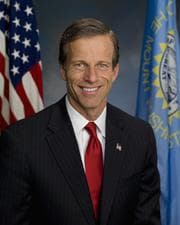
- John Thune
- Cosponsors
- None
- Introduced
- Adopted by the Senate
A Senate resolution is the Senate speaking for itself: stating a position, honouring someone, or setting its own rules. Adopting it is the whole process. Once the Senate agrees to it, it is officially the Senate's word; it is not a law, so the House and the President have no part in it.
What this bill would do
This resolution authorizes the Senate to consider a large group of nominations at once during an Executive Session. These nominations include various high-level positions across the federal government. The list includes ambassadors, judicial nominees, and officials for several government departments and agencies. By moving to consider them "en bloc," the Senate can process these many individuals together rather than one by one. This resolution was submitted by Mr. Thune and was considered and agreed to.
Yes· 3 of 9
Would business owners be better off under this?+1
The bill includes nominations for leadership roles in labor and economic oversight.
Would Native Americans be better off under this?+1
The bill includes a nomination for the Director of the Indian Health Service.
Does this strengthen the rights of workers to organise?+1
The bill includes appointments to the National Labor Relations Board which oversees labor-management relations.
The opposite
Does this make what the government does easier for the public to see?-1
The en bloc consideration of multiple nominations simultaneously may reduce the ability for individual public scrutiny of each nominee.
What Congress actually voted on
2 recorded votes have been taken on this bill. One of them decided something; the rest moved it along.
- The Senate: the vote on whether to adopt the resolutionResolution Agreed to 50–47
A resolution is one chamber speaking for itself — setting its own rules, taking a position, honouring someone — and it never goes to the President. Agreeing to it is the whole decision.
07/30/2026 · Roll call 217 · recorded as “On the Resolution S.Res. 817”
Who it would affect, and how
Potential Positive Impacts for People
-
Filling Key Government Leadership Roles: The bill includes numerous nominations for essential positions such as United States Attorneys, U.S. Marshals, and various Assistant Secretaries (e.g., Calendar Number 729, 734, 866). Filling these roles can ensure that government agencies and legal systems continue to function and serve the public.
-
Diplomatic Representation: The resolution contains many nominations for Ambassadors to various countries and international organizations (e.g., Calendar Number 729, 730, 757, 762). Having designated representatives can help manage international relations and the interests of the United States abroad.
-
Judicial Appointments: The bill includes several nominations for Associate Judges in the Superior Court and District of Columbia Court of Appeals (e.g., Calendar Number 835, 836, 848). Filling these positions helps maintain the judicial system.
-
Agency Oversight and Management: Numerous roles involving oversight and management are included, such as the Director of the Indian Health Service (Calendar Number 899) and the Administrator of the Transportation Security Administration (Calendar Number 870). These roles are vital for the administration of specific public services and security.
Potential Negative Impacts for People
- Lack of Individualized Scrutiny: Because the resolution authorizes "en bloc" consideration, the Senate is moving to consider all these nominations together in one group. This could potentially mean that the specific qualifications or potential issues of each individual nominee are not discussed or scrutinized separately.
Groups and Interests Ranking
Every group the model scored this bill for, from -10 to +10. Hover a score for the reason it gave.
- Demographic And Interest Groups
- Good For Business Owners+1Good For Native Americans+1
- Economy And Finance
- Improves Economic Growth+1Improves Union Protections+1
- National Security And Foreign Policy
- Improves Cybersecurity Defense+1Improves International Alliances+1
- Environment Energy And Infrastructure
- Improves Rural Development+1
- Governance And Ideology
- Improves Government Transparency-1
- Healthcare
- Improves Healthcare Access+1
- Social Issues And Justice
- Improves Policing Reform+1
No amendments submitted yet for this bill.
- 7/30/2026
- Considered by Senate. (consideration: CR S4353, S4360)
- Passed/agreed to in Senate: Resolution agreed to in Senate without amendment by Yea-Nay Vote. 50 - 47. Record Vote Number: 217.
- Resolution agreed to in Senate without amendment by Yea-Nay Vote. 50 - 47. Record Vote Number: 217.
- 7/29/2026
- By unanimous consent agreement, debate and vote mandatory quorum required under Rule XXII waived.
- Cloture on the measure invoked in Senate by Yea-Nay Vote. 50 - 45. Record Vote Number: 214. (CR S4323)
- Considered by Senate. (consideration: CR S4323)
- By unanimous consent agreement, vote 7/30/2026.
- 7/27/2026
- Motion to proceed to executive session to consideration of measure agreed to in Senate by Voice Vote.
- Measure laid before Senate by motion. (consideration: CR S4276)
- Cloture motion on the measure presented in Senate. (CR S4276)
- 7/23/2026
- Submitted in Senate
- Submitted in the Senate Placed on Senate Executive Calendar under Over, Under the Rule. (text: CR S4272-4273)
- Placed on Senate Executive Calendar under Over, Under the Rule. Calendar No. 6.