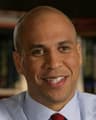
Cory Booker (D-NJ)
A resolution recognizing the contributions of Black people to the musical heritage of the United States and the need for greater access to music education for Black students and designating June 2026 as "Black Music Month".
A Democratic resolution with 3 Democratic cosponsors · See all 3 cosponsors
Last activity — Referred to the Committee on the Judiciary. (text: CR S2938-2939)
In committee
Introduced and handed to a committee in the chamber it started in.
The committee holds it, and most bills are never heard from again. A hearing or a committee vote would be news; silence is the usual outcome, and it kills the bill without anyone voting against it.
Its path through Congress
- Introduced
- In Committee
A Senate resolution is the Senate speaking for itself: stating a position, honouring someone, or setting its own rules. Adopting it is the whole process. Once the Senate agrees to it, it is officially the Senate's word; it is not a law, so the House and the President have no part in it.
What this bill would do
This resolution recognizes the significant contributions of Black people to the musical heritage of the United States. It highlights various genres and artists who shaped American culture while acknowledging the barriers Black students face in accessing music education. The resolution emphasizes the need for culturally relevant music programs in schools. Finally, it officially designates June 2026 as "Black Music Month".
Yes· 3 of 8
- Scored +10
Would Black Americans be better off under this?
Directly recognizes and celebrates Black musical heritage and advocates for Black students' education.
- Scored +5
Would students be better off under this?
Advocates for greater access to culturally relevant music programs in schools.
- Scored +5
Does this narrow racial gaps in how people are treated?
The bill recognizes the cultural contributions of Black people and addresses educational inequities for Black students.
The opposite
No question was scored the opposite.
Who it would affect, and how
Potential Positive Impacts for People
-
Recognition of Cultural Contributions: The resolution recognizes the contributions of Black people to the U.S. musical heritage, including artists, composers, and songwriters who are underrecognized. This is found in the resolution section (1)(A) and (1)(B).
-
Advocating for Education Access: The resolution recognizes the need for Black students to have more access to and participation in music programs that are culturally relevant. This is found in the resolution section (1)(D).
-
Promoting Future Generations: By recognizing Black Music Month, the resolution aims to encourage greater access to music education so future generations can continue contributing to the country's musical heritage. This is found in the resolution section (1)(E)(ii).
Potential Negative Impacts for People
- No negative impacts for individuals or groups are explicitly stated in the provided text.
Groups and Interests Ranking
Every group the model scored this bill for, from -10 to +10. Tap or hover a score for the reason it gave.
- Demographic And Interest Groups
- Would Black Americans be better off under this? — Directly recognizes and celebrates Black musical heritage and advocates for Black students' education. Would students be better off under this? — Advocates for greater access to culturally relevant music programs in schools. Would children be better off under this? — The bill advocates for better access to music education for students. Would households on low incomes be better off under this? — Specifically identifies and advocates for music education for students in low-income families. Would people in cities be better off under this? — Notes barriers to music education specifically in large urban public schools. Would women be better off under this? — Explicitly recognizes the contributions of Black female composers and singers. Would people in their twenties and thirties be better off under this? — Promotes cultural recognition and education for the next generation.
- Social Issues And Justice
- Does this narrow racial gaps in how people are treated? — The bill recognizes the cultural contributions of Black people and addresses educational inequities for Black students.
- 6/18/2026
- Submitted in Senate
- Referred to the Committee on the Judiciary. (text: CR S2938-2939)
- 3 Cosponsors added.
One bill Congress.gov lists as related to this one — companions in the other chamber, earlier versions, and bills this one absorbed or was folded into.
 Richard Durbin
Democrat · Illinois
 Amy Klobuchar
Democrat · Minnesota
 Chris Van Hollen
Democrat · Maryland