Bill · S.Res. 690· Senate(119-SRES-690)
An executive resolution authorizing the en bloc consideration in Executive Session of certain nominations on the Executive Calendar.
- Introduced
- 4/27/2026
- Last activity
- 5/11/2026 — Resolution agreed to in Senate without amendment by Yea-Nay Vote. 46 - 45. Record Vote Number: 114. (text: CR 4/27/2026 S2056-2057)
- Sponsored by
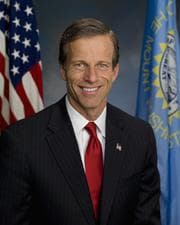
- John Thune
- Cosponsors
- None
- Introduced
- Adopted by the Senate
A Senate resolution is the Senate speaking for itself: stating a position, honouring someone, or setting its own rules. Adopting it is the whole process. Once the Senate agrees to it, it is officially the Senate's word; it is not a law, so the House and the President have no part in it.
What this bill would do
This resolution authorizes the Senate to consider a specific group of nominations all at once, known as en bloc consideration. The nominations include several United States Attorneys and United States Marshals for various districts. Additionally, the list includes various ambassadors and assistant secretaries for several government departments. It also covers leadership roles within agencies like the Bureau of Land Management and NASA. The goal is to move these specific executive calendar items forward during an Executive Session.
Yes· 3 of 8
Does this increase the pay, pensions or support veterans receive?+1
The consideration of Assistant Secretary of Defense nominations helps provide leadership for the Department of Defense.
Does this send more money or help to other countries?+1
The appointments of several Ambassadors can facilitate international diplomatic and aid-related engagements.
Does this strengthen ties with allied countries?+1
Filling multiple Ambassadorial positions strengthens the United States' ability to maintain international relations.
The opposite
No question was scored the opposite.
What Congress actually voted on
3 recorded votes have been taken on this bill. One of them decided something; the rest moved it along.
- The Senate: the vote on whether to adopt the resolutionResolution Agreed to 46–45
A resolution is one chamber speaking for itself — setting its own rules, taking a position, honouring someone — and it never goes to the President. Agreeing to it is the whole decision.
05/11/2026 · Roll call 114 · recorded as “On the Resolution S.Res. 690”
Who it would affect, and how
Potential Positive Impacts for People
-
Filling Leadership Vacancies: By authorizing the consideration of these nominations, the bill allows for the potential filling of various roles such as United States Attorneys (e.g., Calendar Number 615, 616, 617, 618, 619, 620, 652, 653, 654, 664, 694, 711, and 712) and United States Marshals (e.g., Calendar Number 675, 676, 677, 699, 700, and 701). Filling these roles can ensure that legal and law enforcement functions continue in their respective districts.
-
Establishing International Representation: The bill includes several nominations for Ambassadors (e.g., Calendar Number 622, 623, 680, 681, 682, and 685) and representatives to international organizations (e.g., Calendar Number 683 and 714), which could impact how the United States engages with other nations and organizations.
-
Agency Management: The consideration of various Assistant Secretaries (e.g., Calendar Number 624, 648, 649, 686, 687, 691, and 716) and other high-level officials (e.g., Calendar Number 666, 667, and 688) could provide direction for government departments and agencies.
Potential Negative Impacts for People
- Lack of Individual Scrutiny: Because this resolution authorizes "en bloc consideration," multiple nominations are being considered together rather than individually. This could mean that specific concerns regarding a single nominee might not receive the same level of separate focus during the consideration process.
Groups and Interests Ranking
Every group the model scored this bill for, from -10 to +10. Hover a score for the reason it gave.
- National Security And Foreign Policy
- Improves International Alliances+1Improves Veterans Benefits+1Increases Foreign Aid+1
- Environment Energy And Infrastructure
- Improves Environmental Protections+1Improves Roads And Bridges+1
- Education And Technology
- Increases Space Exploration+1
- Governance And Ideology
- Improves Government Transparency+1
- Social Issues And Justice
- Improves Policing Reform+1
No amendments submitted yet for this bill.
- 5/11/2026
- Considered by Senate. (consideration: CR S2193-2194)
- Passed/agreed to in Senate: Resolution agreed to in Senate without amendment by Yea-Nay Vote. 46 - 45. Record Vote Number: 114.
- Resolution agreed to in Senate without amendment by Yea-Nay Vote. 46 - 45. Record Vote Number: 114. (text: CR 4/27/2026 S2056-2057)
- 4/30/2026
- By unanimous consent agreement, mandatory quorum required under Rule XXII waived.
- Cloture on the measure invoked in Senate by Yea-Nay Vote. 51 - 46. Record Vote Number: 112. (CR S2148-2149)
- Considered by Senate. (consideration: CR S2148-2149)
- By unanimous consent agreement, debate and vote 5/11/2026.
- 4/28/2026
- Motion to proceed to executive session to consideration of measure agreed to in Senate by Yea-Nay Vote. 52 - 47. Record Vote Number: 107. (CR S2065)
- Measure laid before Senate by motion. (consideration: CR S2065)
- Cloture motion on the measure presented in Senate. (CR S2065)
- 4/27/2026
- Submitted in Senate
- Submitted in the Senate. Placed on Senate Executive Calendar under Over, Under the Rule. (text: CR S2056-2057)
- Placed on Senate Executive Calendar under Over, Under the Rule. Calendar No. 5.