Bill · S.Res. 664· Senate(119-SRES-664)
A resolution to constitute the majority party's membership on certain committees for the One Hundred Nineteenth Congress, or until their successors are chosen.
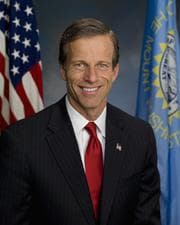
- Introduced
- 3/27/2026
- Last activity
- 3/27/2026 — Submitted in the Senate, considered, and agreed to without amendment by Unanimous Consent. (consideration: CR S1690; text: CR S1674)
- Sponsored by
- John Thune
- Cosponsors
- None
- Introduced
- Officially Recorded
- Adopted by the Senate
A Senate resolution is the Senate speaking for itself: stating a position, honouring someone, or setting its own rules. Adopting it is the whole process. Once the Senate agrees to it, it is officially the Senate's word; it is not a law, so the House and the President have no part in it.
What this bill would do
This resolution establishes the majority party's membership for specific committees during the One Hundred Ninteenth Congress. It identifies the members assigned to the Committee on Appropriations, the Committee on Armed Services, the Committee on Health, Education, Labor, and Pensions, and the Committee on Indian Affairs. These assignments remain in effect until successors are chosen. The resolution was submitted by Mr. Thune and subsequently agreed to by the Senate.
Yes· 3 of 8
Would Native Americans be better off under this?+1
The determination of membership for the Committee on Indian Affairs ensures a legislative structure for representing Native American interests.
Would veterans be better off under this, taking everything together?+1
The formalization of the Armed Services Committee membership provides the structure necessary for veteran-related policymaking.
Does this reduce what the federal government spends?+1
By establishing committee leadership, the bill facilitates the legislative process for budgetary oversight through the Appropriations Committee.
The opposite
No question was scored the opposite.
Who it would affect, and how
Potential Positive Impacts for People
- Committee Organization: By establishing specific members and chairs for committees such as Appropriations, Armed Services, Health, Education, Labor, and Pensions, and Indian Affairs, the bill provides a clear structure for the One Hundred Ninteenth Congress. This organization helps define who will lead and participate in these specific areas of governance.
Potential Negative Impacts for People
- No specific negative impacts are mentioned in the text.
Groups and Interests Ranking
Every group the model scored this bill for, from -10 to +10. Hover a score for the reason it gave.
- Demographic And Interest Groups
- Good For Native Americans+1Good For Veterans+1
- Economy And Finance
- Reduces Government Spending+1
- Education And Technology
- Increases Public School Funding+1
- Governance And Ideology
- Improves Government Transparency+1
- Healthcare
- Improves Healthcare Access+1
- National Security And Foreign Policy
- Improves Veterans Benefits+1
- Social Issues And Justice
- Improves Racial Equity+1
- 3/27/2026
- Passed/agreed to in Senate: Submitted in the Senate, considered, and agreed to without amendment by Unanimous Consent.
- Submitted in the Senate, considered, and agreed to without amendment by Unanimous Consent. (consideration: CR S1690; text: CR S1674)
- Bill introduced.