Bill · S.Res. 613· Senate(119-SRES-613)
A resolution recognizing the Army-Navy football game as America's Game.
- Introduced
- 2/25/2026
- Last activity
- 2/25/2026 — Submitted in the Senate, considered, and agreed to without amendment and with a preamble by Unanimous Consent. (consideration: CR S689; text: CR S687)
- Sponsored by
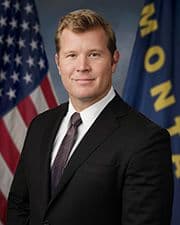
- Tim Sheehy
- Cosponsors
- - 9 - 7
- Introduced
- Officially Recorded
- Adopted by the Senate
A Senate resolution is the Senate speaking for itself: stating a position, honouring someone, or setting its own rules. Adopting it is the whole process. Once the Senate agrees to it, it is officially the Senate's word; it is not a law, so the House and the President have no part in it.
What this bill would do
This resolution recognizes the annual football game between the United States Military Academy and the United States Naval Academy as "America's Game." It notes that the game is a tradition dating back to 1890 that serves as a symbol of patriotism and unity. The resolution states that the game is an important influence on military recruiting. It expresses the sense of the Senate that the game should maintain its status as the only college football game aired during its scheduled time slot on the second Saturday of December. Additionally, it suggests that various institutions avoid scheduling other games during this time. Finally, it calls on federal agencies to review policies to better promote the game's civic importance.
Who it would affect, and how
Potential Positive Impacts for People
-
Promoting Military Interest: The resolution states the game is an important influence on military recruiting (Section 1).
-
National Unity and Recognition: The game is intended to promote nationwide viewership, shared civic engagement, and recognition of the service and sacrifice of members of the Armed Forces (Section 2).
-
Preserving Tradition: The game is described as a cornerstone of the collegiate sport tradition in the United States (Section 1).
-
Enhanced Public Promotion: Relevant federal agencies are encouraged to review policies to enhance coordination and the public promotion of the game's civic importance (Section 4).
Potential Negative Impacts for People
- Restrictions on Scheduling: The resolution suggests that broadcasters, collegiate athletic associations, conferences, and institutions of higher education should avoid scheduling college football games during the game's time slot (Section 3).
Groups and Interests Ranking
Every group the model scored this bill for, from -10 to +10. Hover a score for the reason it gave.
No significant interests or groups are affected by this bill.
- 2/25/2026
- Passed/agreed to in Senate: Submitted in the Senate, considered, and agreed to without amendment and with a preamble by Unanimous Consent.
- Submitted in the Senate, considered, and agreed to without amendment and with a preamble by Unanimous Consent. (consideration: CR S689; text: CR S687)
- 16 Cosponsors added.
- Bill introduced.
 John Boozman
Republican · Arkansas
 Marsha Blackburn
Republican · Tennessee
 Richard Blumenthal
Democrat · Connecticut
 Tom Cotton
Republican · Arkansas
 Ted Cruz
Republican · Texas
 Deb Fischer
Republican · Nebraska
 Mark Kelly
Democrat · Arizona
 Timothy Kaine
Democrat · Virginia
 Christopher Murphy
Democrat · Connecticut
 John Reed
Democrat · Rhode Island
 James Risch
Republican · Idaho
 Jeanne Shaheen
Democrat · New Hampshire
 Dan Sullivan
Republican · Alaska
 Rick Scott
Republican · Florida
 Tommy Tuberville
Republican · Alabama
 Chris Van Hollen
Democrat · Maryland