Bill · S.Res. 609· Senate(119-SRES-609)
A resolution to authorize testimony and representation in United States v. Crouse.
- Introduced
- 2/12/2026
- Last activity
- 2/12/2026 — Submitted in the Senate, considered, and agreed to without amendment and with a preamble by Unanimous Consent. (consideration: CR S616; text: CR S613)
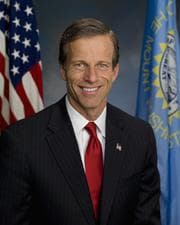
- Sponsored by
- John Thune
- Cosponsors
- - 0 - 1
- Introduced
- Officially Recorded
- Adopted by the Senate
A Senate resolution is the Senate speaking for itself: stating a position, honouring someone, or setting its own rules. Adopting it is the whole process. Once the Senate agrees to it, it is officially the Senate's word; it is not a law, so the House and the President have no part in it.
What this bill would do
This resolution authorizes specific employees to testify in the legal case of United States of America v. Crouse. The employees involved work for the offices of Senator Ted Budd, Senator Kevin Cramer, and Senator John Cornyn. It also authorizes the Senate Legal Counsel to represent these employees regarding the production of their testimony. The authorization applies except for matters where a privilege should be asserted. This action is taken in relation to a request from the prosecution for testimony from these Senate employees.
Yes· 3 of 4
Does this make what the government does easier for the public to see?+1
The bill allows for the production of evidence which can promote the administration of justice and transparency in legal proceedings.
Does this protect the right to fair treatment by the courts?+1
The resolution provides legal representation for Senate employees participating in a judicial proceeding.
Would women be better off under this?+1
The resolution provides legal representation for female employees participating in a legal case.
The opposite
No question was scored the opposite.
Who it would affect, and how
Potential Positive Impacts for People
-
Legal Representation for Employees: The resolution authorizes the Senate Legal Counsel to represent Ryan Alban, Lisa Gibbens, and Jill Wyman in connection with providing their testimony. This provides these individuals with legal representation regarding their official responsibilities (Sec. 1, Sec. 2, Sec. 3, and Sec. 4).
-
Promotion of Justice: The resolution states that the Senate will take action when evidence under its control may promote the administration of justice (Whereas clause).
Potential Negative Impacts for People
- Loss of Privacy or Confidentiality: The employees are authorized to testify, which could involve sharing information related to their official responsibilities, though they may still assert privileges for certain matters (Sec. 1, Sec. 2, and Sec. 3).
Groups and Interests Ranking
Every group the model scored this bill for, from -10 to +10. Hover a score for the reason it gave.
- Governance And Ideology
- Improves Due Process+1Improves Government Transparency+1
- Demographic And Interest Groups
- Good For Women+1
- Social Issues And Justice
- Improves Criminal Sentencing Reform+1
- 2/12/2026
- Passed/agreed to in Senate: Submitted in the Senate, considered, and agreed to without amendment and with a preamble by Unanimous Consent.
- Submitted in the Senate, considered, and agreed to without amendment and with a preamble by Unanimous Consent. (consideration: CR S616; text: CR S613)
- 1 Cosponsor added.
- Bill introduced.
 Charles Schumer
Democrat · New York