
Jacky Rosen (D-NV)
A resolution condemning the extreme anti-vaccine policies of Secretary of Health and Human Services Robert F. Kennedy, Jr., strongly opposing the policies of the State of Florida that roll back immunization requirements, and expressing the sense of the Senate that vaccines are critical to protecting public health, eliminating preventable illness and death, and reducing hospitalizations and severity of illness, work best when adopted at a high level within each community, and must be made available to the public.
A Democratic resolution with 6 Democratic cosponsors · See all 6 cosponsors
Last activity — Referred to the Committee on Health, Education, Labor, and Pensions. (text: CR S6650)
In committee
Introduced and handed to a committee in the chamber it started in.
The committee holds it, and most bills are never heard from again. A hearing or a committee vote would be news; silence is the usual outcome, and it kills the bill without anyone voting against it.
Its path through Congress
- Introduced
- In Committee
A Senate resolution is the Senate speaking for itself: stating a position, honouring someone, or setting its own rules. Adopting it is the whole process. Once the Senate agrees to it, it is officially the Senate's word; it is not a law, so the House and the President have no part in it.
What this bill would do
S. Res. 389 is a Senate resolution that condemns the anti-vaccine policies of Health and Human Services Secretary Robert F. Kennedy, Jr. and the State of Florida. It expresses the official stance of the Senate that vaccines are vital for public health, disease prevention, and lowering hospitalizations. The text highlights historical health data showing vaccines have successfully eradicated or dramatically reduced dangerous illnesses like polio, smallpox, and measles. It criticizes the dismissal of members from the Advisory Committee on Immunization Practices and the removal of school immunization requirements. Finally, the measure affirms that vaccines must stay affordable, accessible, and grounded in unbiased scientific research.
Yes· 3 of 12
- Scored +8
Would children be better off under this?
The resolution emphasizes protecting children from preventable, life-threatening illnesses through routine immunizations.
- Scored +8
Does this make health care easier to get in general?
The resolution expresses strong support for maintaining wide access, affordability, and insurance coverage for vaccines.
- Scored +7
Would people over 65 be better off under this?
Highlights vaccines as a critical tool to keep older individuals healthy and out of the hospital.
The opposite
No question was scored the opposite.
Who it would affect, and how
Potential Positive Impacts for People
-
Support for Accessible Health Prevention: The resolution expresses the sense of the Senate that vaccines should remain easily accessible and affordable without restriction, which helps ensure that everyday people can protect themselves from preventable illnesses.
-
Protection of Vulnerable Populations: The text emphasizes that high community adoption of vaccines is critical to protect individuals who medically cannot receive certain vaccinations, such as infants and cancer patients with weakened immune systems.
-
Continuation of Unbiased Research: The resolution affirms that vaccine research to discover new ways to prevent or treat disease should continue to receive Federal research funding with no political interference.
Potential Negative Impacts for People
- No Negative Impacts Identified: As an expression of the Senate's views and policy stances, the text of the resolution does not contain any specific sections or provisions that impose direct burdens, mandates, or negative consequences on individuals or groups of people in the United States.
Groups and Interests Ranking
Every group the model scored this bill for, from -10 to +10. Tap or hover a score for the reason it gave.
- Demographic And Interest Groups
- Would children be better off under this? — The resolution emphasizes protecting children from preventable, life-threatening illnesses through routine immunizations. Would households on low incomes be better off under this? — Supports keeping vaccines affordable and widely covered by public programs like Medicaid and the Vaccines for Children program. Would people with disabilities be better off under this? — Supports community immunity to protect vulnerable individuals with weakened immune systems who cannot receive vaccines. Would retired people be better off under this? — Supports preventative health measures for older adults. Would people over 65 be better off under this? — Highlights vaccines as a critical tool to keep older individuals healthy and out of the hospital. Would people in middle age be better off under this? — Supports overall community health and disease prevention for working-age adults. Would middle-income households be better off under this? — Supports continued insurance coverage and accessibility of preventive healthcare. Would people in their twenties and thirties be better off under this? — Promotes broad public health protections that benefit younger populations.
- Healthcare
- Does this make health care easier to get in general? — The resolution expresses strong support for maintaining wide access, affordability, and insurance coverage for vaccines. Does this make the country readier for the next outbreak? — The resolution emphasizes the critical role of vaccines in preventing disease and protecting community health. Does this put more money into medical research? — The text affirms that vaccine research should continue to receive Federal research funding without political interference.
- Education And Technology
- Does this put more money into scientific research? — The resolution strongly supports relying on unbiased scientific research and peer-reviewed medical information.
- 9/17/2025
- 1 Cosponsor added.
- 9/16/2025
- Referred to the Committee on Health, Education, Labor, and Pensions. (text: CR S6650)
- 5 Cosponsors added.
- Introduced in Senate
 Angela Alsobrooks
Democrat · Maryland
 Richard Durbin
Democrat · Illinois
 John Reed
Democrat · Rhode Island
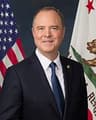 Adam Schiff
Democrat · California
 Chris Van Hollen
Democrat · Maryland
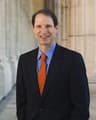 Ron Wyden
Democrat · Oregon