Bill · S.Res. 324· Senate(119-SRES-324)
A resolution expressing the sense of the Senate that the actions of the Trump Administration that drastically and indiscriminately reduce staff at Federal agencies, freeze vast swaths of critical Federal funding, and dismantle Federal agencies are destructive and harmful to communities across the United States and have raised costs for American families.
- Introduced
- 7/16/2025
- Last activity
- 7/16/2025 — Referred to the Committee on Homeland Security and Governmental Affairs. (text: CR S4423)
- Sponsored by
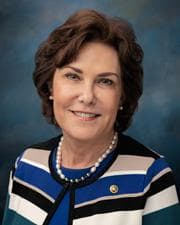
- Jacky Rosen
- Cosponsors
- - 10 - 0
- Introduced
- In Committee
A Senate resolution is the Senate speaking for itself: stating a position, honouring someone, or setting its own rules. Adopting it is the whole process. Once the Senate agrees to it, it is officially the Senate's word; it is not a law, so the House and the President have no part in it.
What this bill would do
This resolution expresses the sense of the Senate regarding actions taken by the Trump Administration. The text states that reducing staff, freezing funding, and dismantling Federal agencies is harmful to communities and has raised costs for American families. It specifically highlights how these actions disrupt critical programs for health, education, and economic stability. The resolution claims these changes negatively affect seniors, veterans, small businesses, and students with disabilities. Finally, it calls for a shift in focus toward protecting families and supporting various essential sectors.
Yes· 3 of 29
Would children be better off under this?+5
The resolution advocates for protecting programs that serve children and families.
Would people in their twenties and thirties be better off under this?+5
The resolution supports workforce development and job training for at-risk youth.
Would people over 65 be better off under this?+5
The resolution highlights the importance of protecting Social Security and Medicare for seniors.
The opposite
No question was scored the opposite.
Who it would affect, and how
Potential Positive Impacts for People
The provided text does not list specific provisions or actions within the bill that would result in positive outcomes for people; rather, it describes actions taken by the administration that the Senate believes are negative, and then lists goals the Senate believes the administration should focus on.
Potential Negative Impacts for People
-
Social Security, Medicare, and Medicaid: Office closures and staffing cuts have negatively affected the ability of these programs to provide critical benefits to seniors, children, and families. (Whereas, section 1)
-
Federally-qualified health centers: These centers provide high quality, affordable primary health, dental, and mental health care, as well as low-cost prescription drugs, to over 32,000,000 patients, including children and seniors. (Whereas, section 2)
-
Medical Research: Funding for research at universities, including National Institutes of Health research on cancer and Alzheimer's disease, is at risk. (Whereas, section 3)
-
Nonprofit Organizations: Organizations that provide mental health and substance use disorder treatment are stretched thin when funding freezes occur. (Whereas, section 4)
-
Housing Programs: Reductions affect programs that provide access to affordable housing and shelter/supportive services for homeless individuals, including children, families, and veterans. (Whereas, section 5)
-
Small Business Programs: Reductions affect support for entrepreneurs looking to start or grow businesses, rebuild after disasters, or gain access to mentorship. (Whereas, section 6)
-
Students with Disabilities: Funding under the Individuals with Disabilities Education Act is negatively affected, impacting equal access to education. (Whereas, section 7)
-
Agriculture: Programs from the Department of Agriculture that support local farmers, ranchers, and regional food systems are impacted. (Whereas, section 8)
-
Veteran Services: The administration's actions have affected veteran services, health care, benefits, and employment. (Whereas, section 9)
-
Workforce Development: The attempted closure of Job Corps centers would cut off thousands of at-risk youth from job training. (Whereas, section 10)
-
International Influence and National Security: The elimination of the United States Agency for International Development and reductions in foreign aid impact the ability to compete with adversaries and affect national security. (Whereas, section 11)
-
Essential Services and Economic Stability: Disruptions lead to reduced access to health care, child care, housing, and nutrition assistance, as well as financial instability for organizations and economic uncertainty for small businesses and local governments. (Whereas, sections 1, 2, and 3)
Groups and Interests Ranking
Every group the model scored this bill for, from -10 to +10. Hover a score for the reason it gave.
- Demographic And Interest Groups
- Good For Business Owners+5Good For Children+5Good For Farmers+5Good For Low Income Households+5Good For Middle Class Households+5Good For People With Disabilities+5Good For Retirees+5Good For Seniors+5Good For Students+5Good For Veterans+5Good For Young Adults+5
- Healthcare
- Improves Healthcare Access+5Improves Mental Health Access+5Improves Veterans Healthcare+5Increases Medicaid Funding+5Increases Medicare Funding+5Increases Research Funding+5
- Social Issues And Justice
- Improves Affordable Housing+5Improves Childcare Affordability+5Improves Disability Rights+5Improves Social Security+5Reduces Homelessness+5
- Economy And Finance
- Improves Economic Growth+5Improves Small Business Support+5
- Environment Energy And Infrastructure
- Improves Disaster Relief And F E M A+5Improves Rural Development+5
- National Security And Foreign Policy
- Improves Veterans Benefits+5Increases Foreign Aid+5
- Education And Technology
- Increases Scientific Research Funding+5
- 7/16/2025
- Referred to the Committee on Homeland Security and Governmental Affairs. (text: CR S4423)
- 10 Cosponsors added.
- Introduced in Senate
 Richard Blumenthal
Democrat · Connecticut
 Lisa Blunt Rochester
Democrat · Delaware
 Tammy Duckworth
Democrat · Illinois
 Martin Heinrich
Democrat · New Mexico
 Ben Luján
Democrat · New Mexico
 Patty Murray
Democrat · Washington
 Jeff Merkley
Democrat · Oregon
 Alex Padilla
Democrat · California
 Gary Peters
Democrat · Michigan
 Chris Van Hollen
Democrat · Maryland