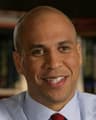
Cory Booker (D-NJ)
A resolution recognizing the contributions of the Charles B. Rangel Graduate Fellowship Program, the Thomas R. Pickering Foreign Affairs Graduate Fellowship Program, the William D. Clarke, Sr. Diplomatic Security Fellowship, and the Donald M. Payne International Development Graduate Fellowship Program in advancing the national security and the development and diplomacy efforts of the United States.
A Democratic resolution with no cosponsors
Last activity — Referred to the Committee on Foreign Relations. (text: CR S1667-1668)
In committee
Introduced and handed to a committee in the chamber it started in.
The committee holds it, and most bills are never heard from again. A hearing or a committee vote would be news; silence is the usual outcome, and it kills the bill without anyone voting against it.
Its path through Congress
- Introduced
- In Committee
A Senate resolution is the Senate speaking for itself: stating a position, honouring someone, or setting its own rules. Adopting it is the whole process. Once the Senate agrees to it, it is officially the Senate's word; it is not a law, so the House and the President have no part in it.
What this bill would do
This resolution recognizes the contributions of several graduate fellowship programs to the national security and diplomacy of the United States. These programs include the Charles B. Rangel, Thomas R. Pickering, William D. Clarke, Sr., and Donald M. Payne fellowships. The resolution highlights how these initiatives recruit diverse talent for the Department of State and USAID. It notes that these programs focus on increasing inclusion for Pell-eligible, first-generation, and historically excluded groups. Finally, the resolution emphasizes that these fellowships are vital investments for a capable and diverse national security workforce.
Yes· 3 of 14
- Scored +6
Would students be better off under this?
The resolution supports graduate-level fellowship opportunities for students.
- Scored +5
Would people in their twenties and thirties be better off under this?
The fellowships target graduate students and early-career professionals.
- Scored +5
Would households on low incomes be better off under this?
The programs specifically support Pell-eligible and economically disadvantaged students.
The opposite
No question was scored the opposite.
Who it would affect, and how
Potential Positive Impacts for People
-
Increased Opportunity for Diverse Talent: The fellowship programs help recruit and retain employees from diverse backgrounds, including women, racial and ethnic minority groups, and economically disadvantaged and rural populations (Resolution, Section 2).
-
Support for Students with Financial Needs: The programs increase inclusion for Pell-eligible and first-generation college graduates (Resolution, Whereas clause regarding Pell-eligible students).
-
Broadened Recruitment Reach: The fellowships expand merit- and need-based recruitment from a wide geographically and economically diverse talent pool across all 50 States (Resolution, Whereas clause regarding bipartisan authorization).
-
Enhanced National Security: Developing a workforce that represents all of the United States provides a wider range of perspectives and cultural understanding, which leads to better national security outcomes and more effective threat identification (Resolution, Whereas clause regarding research).
Potential Negative Impacts for People
- Risk of Wasted Taxpayer Resources: The resolution states that attempts to dismantle these fellowship programs would result in wasting taxpayer resources (Resolution, Section 4).
Groups and Interests Ranking
Every group the model scored this bill for, from -10 to +10. Tap or hover a score for the reason it gave.
- Demographic And Interest Groups
- Would students be better off under this? — The resolution supports graduate-level fellowship opportunities for students. Would Black Americans be better off under this? — The resolution emphasizes recruitment from historically excluded minority groups. Would Hispanic Americans be better off under this? — The resolution supports recruitment via Hispanic-serving institutions. Would households on low incomes be better off under this? — The programs specifically support Pell-eligible and economically disadvantaged students. Would women be better off under this? — The resolution addresses the historical exclusion of women in the foreign service. Would people in their twenties and thirties be better off under this? — The fellowships target graduate students and early-career professionals. Would people in rural areas be better off under this? — The resolution explicitly mentions recruiting from diverse and rural populations.
- Social Issues And Justice
- Does this narrow the gap between how men and women are treated? — The resolution emphasizes addressing the historical exclusion of women in the foreign service. Does this narrow racial gaps in how people are treated? — The resolution supports fellowships that recruit historically excluded racial and ethnic minority groups. Is this likely to lift people out of poverty? — The bill supports Pell-eligible and economically disadvantaged students through specialized fellowship programs.
- National Security And Foreign Policy
- Does this favour talking over confrontation abroad? — The bill supports programs specifically designed to strengthen the diplomatic capabilities of the United States. Does this strengthen ties with allied countries? — The resolution notes that diverse talent enhances diplomatic engagement and national security.
- Education And Technology
- Does this make college cost less? — The resolution highlights fellowships that benefit Pell-eligible and first-generation college students.
- Environment Energy And Infrastructure
- Does this invest in rural communities? — The resolution highlights the recruitment of talent from rural populations.
- 3/11/2025
- Referred to the Committee on Foreign Relations. (text: CR S1667-1668)
- Introduced in Senate