Bill · S. 777· Senate(119-S-777)
Strategic Ports Reporting Act
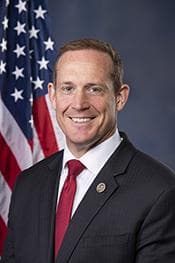
- Introduced
- 2/27/2025
- Last activity
- 2/27/2025 — Read twice and referred to the Committee on Foreign Relations.
- Sponsored by
- Ted Budd
- Cosponsors
- - 1 - 1
- Introduced
- In Committee
What this bill would do
The Strategic Ports Reporting Act requires the Secretary of State and the Secretary of Defense to monitor the People's Republic of China's efforts to acquire or control strategic ports. The bill mandates the creation of a global mapping of domestic and foreign ports important to United States military, diplomatic, economic, or resource interests. Additionally, the government must conduct a detailed study regarding the activities and plans of the PRC to expand control over these ports. The study must examine how such control could harm the national security or economic interests of the United States and its partners. Finally, the agencies must submit a report to congressional committees including suggested strategies to secure trusted ownership and protect ports from PRC control.
Yes· 3 of 7
Does this better protect the country from computer attacks?+3
The bill requires an assessment of national security threats including cyber threats posed by foreign control of strategic ports.
Does this strengthen ties with allied countries?+3
The bill studies how to protect the interests of the United States and its partners regarding strategic port control.
Does this give people more protection from unfair business practices?+2
The bill assesses how foreign control of ports could affect economic interests and seeks to secure trusted ownership.
The opposite
No question was scored the opposite.
Who it would affect, and how
Potential Positive Impacts for People
-
Protection of National Security and Economic Interests: The bill requires a study on how PRC control over strategic ports could harm the national security or economic interests of the United States and its allies (Section 3(a)(6)).
-
Ensuring Open Access and Security: The act calls for the development of measures to ensure open access and security for strategic ports (Section 3(a)(7)).
-
Creating Alternatives to Foreign Investment: The study aims to identify ways to offer alternatives to investments or stakes in strategic ports held by the PRC (Section 3(a)(7)).
-
Securing Trusted Ownership: The required report must include a strategy to secure trusted investment and ownership of strategic ports and maritime infrastructure (Section 3(c)(2)(F)).
-
Protecting Personnel: The report includes an assessment of national security threats, such as cyber threats or espionage, posed to United States diplomatic and defense personnel and facilities near these ports (Section 3(c)(2)(H)).
Potential Negative Impacts for People
- Financial Costs to the Government: The report must assess the costs required to secure trusted investment and ownership, as well as the costs to replace products owned by the PRC used in connection with strategic ports (Section 3(c)(2)(F)(iv)).
Groups and Interests Ranking
Every group the model scored this bill for, from -10 to +10. Hover a score for the reason it gave.
- National Security And Foreign Policy
- Improves Cybersecurity Defense+3Improves International Alliances+3
- Demographic And Interest Groups
- Good For Business Owners+1Good For Urban Residents+1
- Economy And Finance
- Improves Consumer Protection+2
- Governance And Ideology
- Improves Government Transparency+2
- Environment Energy And Infrastructure
- Improves Roads And Bridges+1
- 2/27/2025
- Read twice and referred to the Committee on Foreign Relations.
- 2 Cosponsors added.
- Introduced in Senate
2 bills Congress.gov lists as related to this one — companions in the other chamber, earlier versions, and bills this one absorbed or was folded into.
 Mark Kelly
Democrat · Arizona
 Rick Scott
Republican · Florida