Bill · S. 723· Senate(119-S-723)
Tribal Trust Land Homeownership Act of 2025
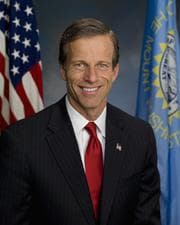
- Introduced
- 2/25/2025
- Last activity
- 5/4/2026 — Became Public Law No: 119-88.
- Sponsored by
- John Thune
- Cosponsors
- - 2 - 1
- Introduced
- Passed Senate
- Passed House
- To President
- Became Law
What this bill would do
The Tribal Trust Land Homeownership Act of 2025 sets strict deadlines for the Bureau of Indian Affairs to review and process mortgages and related documents on Indian land. Under Section 3, the Bureau must do preliminary reviews within 10 calendar days and make approval or disapproval decisions within 20 to 30 calendar days depending on the document type. The bill also requires the Bureau to provide notice of any delays, respond to inquiries within 2 calendar days, and deliver certified title status reports directly to lenders and relevant federal agencies. Additionally, Section 3 grants certain federal agencies and Indian Tribes read-only access to specific land document portals, requires annual reports from the Bureau, and mandates a GAO study. Finally, Section 4 establishes a new Realty Ombudsman position within the Bureau to oversee deadlines, act as a federal liaison, and help resolve complaints from lenders and tribal members.
Yes· 3 of 13
Would Native Americans be better off under this?+7
The bill directly addresses barriers to homeownership and economic growth for Indian Tribes and their members.
Does this narrow racial gaps in how people are treated?+5
The bill promotes equity by streamlining land-based financial processes critical to Tribal sovereignty and economic development.
Does this make housing cost less?+5
The bill eases the process of acquiring and improving homes on Indian land through faster mortgage processing.
The opposite
Does this give the federal government more power?-2
The bill imposes new, strict administrative and reporting requirements on the Bureau of Indian Affairs.
What Congress actually voted on
One recorded vote has been taken on this bill.
- The House: a fast-track vote, needing two-thirds to passPassed 384–40
The House sets aside its normal procedure to move quickly: no amendments, little debate, and a two-thirds bar instead of a simple majority. It is used for measures expected to be uncontroversial, so a bill that fails here failed despite broad expectations that it would not.
03/04/2026 · Roll call 81 · recorded as “On Motion to Suspend the Rules and Pass”
Who it would affect, and how
Potential Positive Impacts for People
-
Section 3(a): This section sets clear deadlines for the Bureau of Indian Affairs to review and process mortgages, which is a positive step because it forces our elected officials' agencies to work faster and prevents paperwork from sitting around for too long.
-
Section 3(b): This provision requires the Bureau to immediately notify submitters and lenders if a deadline is missed and to respond to inquiries within 2 calendar days, which holds the government accountable and keeps people informed instead of leaving them in the dark.
-
Section 4: This section creates a Realty Ombudsman who acts as an intermediary to handle complaints and questions directly from Indian Tribes, tribal members, and lenders, giving everyday people a dedicated official to help resolve issues with the Bureau.
-
Potential Negative Impacts for People
-
Section 3(a)(2)(B): If required documents are missing, the Bureau only has 2 calendar days to notify the lender, which places a time crunch on the Bureau staff and could lead to rushed mistakes or administrative burdens if offices are understaffed.
- Section 3(e): The Director must submit a detailed annual report to congressional committees describing missed deadlines and the reasons behind them, which means taxpayer resources and government time will be spent writing reports rather than directly helping folks secure their housing.
Groups and Interests Ranking
Every group the model scored this bill for, from -10 to +10. Hover a score for the reason it gave.
- Demographic And Interest Groups
- Good For Native Americans+7Good For Business Owners+3Good For Rural Residents+2
- Social Issues And Justice
- Improves Affordable Housing+5Improves Racial Equity+5Improves Poverty Reduction+2
- Economy And Finance
- Improves Economic Growth+3Improves Small Business Support+3Improves Consumer Protection+2
- Environment Energy And Infrastructure
- Improves Public Land Management+3Improves Rural Development+3
- Governance And Ideology
- Improves Government Transparency+5Improves Due Process+3Increases Federal Power-2
- Public Law(5/5/2026)
The text as it became law
- Enrolled Bill
The final version, on its way to the President
- 5/4/2026
- Signed by President.
- Became Public Law No: 119-88.
- 4/27/2026
- Presented to President.
- 3/4/2026
- Motion to reconsider laid on the table Agreed to without objection.
- Passed/agreed to in House: On motion to suspend the rules and pass the bill Agreed to by the Yeas and Nays: (2/3 required): 384 - 40 (Roll no. 81).
- On motion to suspend the rules and pass the bill Agreed to by the Yeas and Nays: (2/3 required): 384 - 40 (Roll no. 81).
- Considered as unfinished business. (consideration: CR H2390)
- 3/3/2026
- At the conclusion of debate, the Yeas and Nays were demanded and ordered. Pursuant to the provisions of clause 8, rule XX, the Chair announced that further proceedings on the motion would be postponed.
- DEBATE - The House proceeded with forty minutes of debate on S. 723.
- Considered under suspension of the rules. (consideration: CR H2359-2362; text: CR H2359-2361)
- Mr. Westerman moved to suspend the rules and pass the bill.
- 12/15/2025
- Message on Senate action sent to the House.
- Held at the desk.
- Received in the House.
- 12/11/2025
- Passed/agreed to in Senate: Passed Senate without amendment by Unanimous Consent.
- Passed Senate without amendment by Unanimous Consent. (consideration: CR S8689-8691; text: CR S8689-8691)
- 9/29/2025
- Star Print ordered on 119-60.
- 9/16/2025
- 1 Cosponsor added.
- 9/3/2025
- Committee on Indian Affairs. Reported by Senator Murkowski without amendment. With written report No. 119-60.
- Placed on Senate Legislative Calendar under General Orders. Calendar No. 148.
- 3/5/2025
- Committee on Indian Affairs. Ordered to be reported without amendment favorably.
- 2/25/2025
- Read twice and referred to the Committee on Indian Affairs. (text: CR S1350-1352)
- 2 Cosponsors added.
- Introduced in Senate
4 bills Congress.gov lists as related to this one — companions in the other chamber, earlier versions, and bills this one absorbed or was folded into.
 Kevin Cramer
Republican · North Dakota
 Mike Rounds
Republican · South Dakota
 Tina Smith
Democrat · Minnesota