Bill · S. 722· Senate(119-S-722)
Bureau of Land Management Mineral Spacing Act
- Introduced
- 2/25/2025
- Last activity
- 2/25/2025 — Read twice and referred to the Committee on Energy and Natural Resources.
- Sponsored by
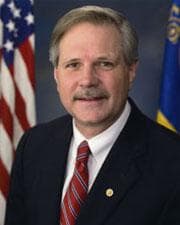
- John Hoeven
- Cosponsors
- - 3 - 0
- Introduced
- In Committee
What this bill would do
The Bureau of Land Management Mineral Spacing Act aims to streamline the oil and gas permitting process. It directs the Secretary of the Interior not to require a permit to drill for specific oil and gas leases under certain conditions. These conditions involve drilling units where the Federal Government owns less than 50 percent of the minerals and does not own the impacted surface estate. The bill also addresses wells located on non-Federal land that interact with Federal mineral estates. Finally, it modifies the Mineral Leasing Act regarding bonds, land entry, mitigation, and reclamation on non-Federal land.
Yes· 3 of 5
Would business owners be better off under this?+5
Oil and gas companies benefit from streamlined permitting and reduced regulatory and bonding burdens.
Is this likely to create jobs?+3
By streamlining the oil and gas permitting process, the bill facilitates easier extraction which can support industry employment.
Does this make it easier to run a small business?+2
The reduction in regulatory requirements for bonds and mitigation can lower operational costs for oil and gas operators.
The opposite· 3 of 5
Does this better protect air, water and wildlife?-4
The bill limits the Secretary of the Interior's authority to require bonds, mitigation requirements, or surface reclamation approvals.
Does this reduce how much oil, gas and coal is produced?-3
The bill makes it easier and cheaper to extract oil and gas, which facilitates increased fossil fuel production.
Would Native Americans be better off under this?-3
The bill explicitly excludes Indian lands from these streamlined provisions, maintaining existing protections for those territories.
Who it would affect, and how
Potential Positive Impacts for People
-
Streamlined Permitting: The Secretary of the Interior would not be required to issue a permit to drill under specific circumstances involving certain drilling or spacing units (Section 2(a)).
-
Reduced Requirements for Non-Federal Land: For specific land described in the bill, the Secretary of the Interior is not authorized to require bonds to protect non-Federal land, impose mitigation requirements, or require approval for surface reclamation (Section 2(e)).
-
Protection of Landowner Consent: The Secretary of the Interior is not authorized to enter non-Federal land without the consent of the applicable landowner under the specified conditions (Section 2(e)).
Potential Negative Impacts for People
-
Reduced Federal Oversight: The bill limits the Secretary of the Interior's ability to require bonds to protect non-Federal land, impose mitigation requirements, or require approval for surface reclamation in specific drilling scenarios (Section 2(e)).
-
Limited Application to Indian Lands: The provisions regarding the removal of permit requirements do not apply to Indian lands (Section 2(c)).
Groups and Interests Ranking
Every group the model scored this bill for, from -10 to +10. Hover a score for the reason it gave.
- Environment Energy And Infrastructure
- Improves Environmental Protections-4Reduces Fossil Fuel Production-3
- Economy And Finance
- Increases Job Creation+3Improves Small Business Support+2
- Demographic And Interest Groups
- Good For Business Owners+5Good For Rural Residents+2Good For Native Americans-3Good For Farmers-2
- Governance And Ideology
- Increase States Rights+2
- Social Issues And Justice
- Improves Affordable Housing-1
- 2/25/2025
- Read twice and referred to the Committee on Energy and Natural Resources.
- 3 Cosponsors added.
- Introduced in Senate
 John Barrasso
Republican · Wyoming
 Kevin Cramer
Republican · North Dakota
 Steve Daines
Republican · Montana