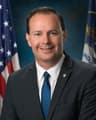
A Republican bill with no cosponsors
Last activity — Read twice and referred to the Committee on Armed Services.
In committee
Introduced and handed to a committee in the chamber it started in.
The committee holds it, and most bills are never heard from again. A hearing or a committee vote would be news; silence is the usual outcome, and it kills the bill without anyone voting against it.
Its path through Congress
- Introduced
- In Committee
What this bill would do
This bill is known as the Guard the Skies Act. It amends the Homeland Security Act of 2002 and titles 10 and 32 of the United States Code. The legislation allows the National Guard to protect certain facilities and assets from unmanned aircraft. Under the bill, the Secretary of Defense may authorize National Guard members to take these protective actions. This authorization happens at the request of a State's chief executive officer for specific missions. The bill also updates rules regarding the order of certain reserve members to active duty and National Guard duty support.
Yes
- Scored +5
Does this leave more decisions to the states?
The bill empowers state chief executive officers to request Secretary of Defense authorization for National Guard protection of specific facilities and assets.
- Scored +4
Does this give the federal government more power?
The legislation provides a formal mechanism for the Secretary of Defense to authorize National Guard actions upon request by state chief executive officers.
The opposite
- Scored -3
Would veterans be better off under this, taking everything together?
Reserve and National Guard members face increased active duty deployment obligations under the new authorization rules.
- Scored -3
Does this increase the pay, pensions or support veterans receive?
The bill allows reservists to be ordered to active duty outside of war or national emergency for drone protection missions, placing additional deployment burdens on them and their families.
Who it would affect, and how
Potential Positive Impacts for People
- State-Requested Protection: Section 2(b)(1)(A) adds section 130j to title 10, United States Code, which allows the chief executive officer of a State to request that the Secretary of Defense authorize the National Guard to protect certain facilities and assets from unmanned aircraft. This provides a direct avenue for local state leaders to secure protection for specific assets.
Potential Negative Impacts for People
- Active Duty Orders for Reservists: Section 2(b)(2) amends section 12304(b) of title 10, United States Code, to allow selected reserve and certain individual ready reserve members to be ordered to active duty other than during war or national emergency for taking actions pursuant to section 130j. This could place additional deployment burdens on these reserve members and their families outside of traditional wartime or national emergency declarations.
Groups and Interests Ranking
Every group the model scored this bill for, from -10 to +10. Tap or hover a score for the reason it gave.
- Governance And Ideology
- Does this leave more decisions to the states? — The bill empowers state chief executive officers to request Secretary of Defense authorization for National Guard protection of specific facilities and assets. Does this give the federal government more power? — The legislation provides a formal mechanism for the Secretary of Defense to authorize National Guard actions upon request by state chief executive officers.
- Demographic And Interest Groups
- Would veterans be better off under this, taking everything together? — Reserve and National Guard members face increased active duty deployment obligations under the new authorization rules.
- National Security And Foreign Policy
- Does this increase the pay, pensions or support veterans receive? — The bill allows reservists to be ordered to active duty outside of war or national emergency for drone protection missions, placing additional deployment burdens on them and their families.
- 11/11/2026
- Read twice and referred to the Committee on Armed Services.
- Introduced in Senate