Bill · S. 5651· Senate(119-S-5651)
National Institutes of Clean Energy Act of 2026
- Introduced
- 9/30/2026
- Last activity
- 9/30/2026 — Read twice and referred to the Committee on Energy and Natural Resources.
- Sponsored by
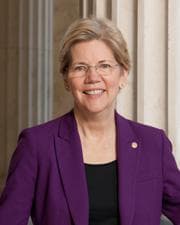
- Elizabeth Warren
- Cosponsors
- - 2 - 0
- Introduced
- In Committee
What this bill would do
This bill is known as the National Institutes of Clean Energy Act of 2026. It establishes the National Institutes of Clean Energy as an agency of the Department of Energy by January 1, 2030. The new agency is tasked with investing in clean energy science, climate science, innovation, and research and development. It supports demonstration projects, research areas underrepresented in federal funding, and studies on job impacts and frontline communities. The bill gives priority to developing technologies that minimize environmental harms and create high-quality jobs in vulnerable communities. It authorizes an appropriation of $400,000,000,000 for the period of fiscal years 2027 through 2036 to establish and operate the Institutes.
Yes· 3 of 23
Does this cut the pollution that drives climate change?+9
The primary purpose of the bill is to invest heavily in clean energy science and technologies that reduce greenhouse gas emissions.
Does this put more money into wind, solar and other renewable power?+9
The bill establishes an agency dedicated to funding renewable energy sources, microgrids, energy storage, and advanced technologies.
Does this put more money into scientific research?+9
The legislation authorizes $400 billion for clean energy science, climate science, and innovation over ten years.
The opposite
Does this reduce what the federal government spends?-6
The legislation commits $400 billion in new authorized federal appropriations over a ten-year period.
Does this reduce what the federal government owes?-5
The bill authorizes an appropriation of $400,000,000,000 for fiscal years 2027 through 2036, increasing federal spending.
Who it would affect, and how
Potential Positive Impacts for People
-
Section 2(c)(1)(A) could benefit individuals by investing in clean energy science and climate research to reduce emissions and build climate resilience.
-
Section 2(c)(1)(B)(i) supports demonstration projects for clean energy, electric vehicles, and advanced technologies in hard-to-decarbonize sectors like aviation and shipping, which may advance overall energy innovation.
-
Section 2(c)(1)(B)(ii) focuses research and development projects on the impacts of energy production in frontline communities, including communities of color and low-income communities that have faced environmental injustices.
-
Section 2(c)(2)(A) prioritizes the development of technologies that minimize environmental harms, improve public health in vulnerable communities, and create high-quality jobs with strong labor standards.
-
Section 2(c)(2)(D) directs research and development to public universities, land-grant colleges, minority-serving institutions, and historically Black colleges and universities, which could provide educational and financial benefits to these institutions and their students.
-
Section 2(c)(2)(E) prioritizes research and development in geographic areas that experienced the worst job losses between 2018 and 2026, such as rural and deindustrialized areas.
Potential Negative Impacts for People
- Section 2(d) authorizes the appropriation of $400,000,000,000 for the period of fiscal years 2027 through 2036 to establish and operate the Institutes, which places a massive financial burden on taxpayers.
Groups and Interests Ranking
Every group the model scored this bill for, from -10 to +10. Hover a score for the reason it gave.
- Demographic And Interest Groups
- Good For African Americans+6Good For Hispanic Americans+6Good For Low Income Households+6Good For Native Americans+6Good For Rural Residents+6Good For Students+6Good For Union Workers+6Good For Immigrants+5Good For People With Disabilities+5
- Environment Energy And Infrastructure
- Increases Renewable Energy Investment+9Reduces Carbon Emissions+9Improves Environmental Protections+8Improves Rural Development+6
- Education And Technology
- Increases Scientific Research Funding+9Increases Public School Funding+6
- Healthcare
- Increases Research Funding+8Improves Healthcare Access+4
- Social Issues And Justice
- Improves Racial Equity+6Improves Poverty Reduction+4
- Economy And Finance
- Increases Job Creation+6Improves Economic Growth+5Improves Union Protections+5Reduces Government Spending-6Reduces National Debt-5
- Governance And Ideology
- Increases Federal Power+5
- 9/30/2026
- Read twice and referred to the Committee on Energy and Natural Resources.
- 3 Cosponsors added.
- Introduced in Senate
 Alex Padilla
Democrat · California
 Bernie Sanders
Independent · Vermont
 Chris Van Hollen
Democrat · Maryland