Bill · S. 5480· Senate(119-S-5480)
School Infrastructure Modernization Act of 2026
- Introduced
- 9/23/2026
- Last activity
- 9/23/2026 — Read twice and referred to the Committee on Finance. (Sponsor introductory remarks on measure: CR S4935)
- Sponsored by
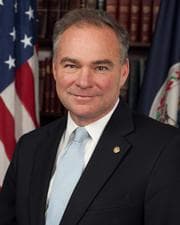
- Timothy Kaine
- Cosponsors
- - 1 - 0
- Introduced
- In Committee
What this bill would do
This bill is called the School Infrastructure Modernization Act of 2026. It allows money spent on fixing up public school buildings to qualify for the rehabilitation credit under the Internal Revenue Code of 1986. The bill requires the Secretary of the Treasury to report to Congress within 5 years on the effects of this change. This report must include details on the number of facilities fixed up, the number of students using them, and how many of these projects happened in low-income communities. The new rule applies to property placed in service after December 31, 2026.
Yes· 3 of 20
Would children be better off under this?+6
Students directly benefit from attending school in modernized, rehabilitated facilities.
Would students be better off under this?+6
The entire purpose of the bill is to modernize and improve public educational facilities used by students.
Does this put more money into public schools?+6
The bill incentivizes capital investment and modernization for public school buildings by expanding access to the rehabilitation tax credit.
The opposite
No question was scored the opposite.
Who it would affect, and how
Potential Positive Impacts for People
-
Section 2 changes the tax rules so that spending on fixing up public school buildings can qualify for the rehabilitation credit. This is positive because it helps schools get the updates they need by making the repair work qualify for a tax credit.
-
Section 2 requires the Secretary of the Treasury to report to Congress on the number of qualified public education facilities fixed up, the number of students using them, and specifically tracks how many were in low-income communities. This holds our officials accountable by making sure we can see if the law is actually helping students, especially those in low-income areas.
Potential Negative Impacts for People
- The provided text does not mention any potential negative impacts, burdens, or consequences for individuals or groups of people in the United States.
Groups and Interests Ranking
Every group the model scored this bill for, from -10 to +10. Hover a score for the reason it gave.
- Demographic And Interest Groups
- Good For Children+6Good For Students+6Good For Low Income Households+4Good For African Americans+3Good For Business Owners+3Good For Hispanic Americans+3Good For Middle Class Households+3Good For Rural Residents+3Good For Urban Residents+3Good For Young Adults+3
- Economy And Finance
- Increases Job Creation+4Improves Small Business Support+3Reduces Small Business Taxes+3Improves Economic Growth+2
- Education And Technology
- Increases Public School Funding+6
- Environment Energy And Infrastructure
- Improves Rural Development+3Improves Environmental Protections+2
- Social Issues And Justice
- Improves Racial Equity+3Improves Poverty Reduction+2
- Governance And Ideology
- Improves Government Transparency+4
- 9/23/2026
- Read twice and referred to the Committee on Finance. (Sponsor introductory remarks on measure: CR S4935)
- 1 Cosponsor added.
- Introduced in Senate
 Mark Warner
Democrat · Virginia