Bill · S. 5393· Senate(119-S-5393)
FABRIC Act
- Introduced
- 9/14/2026
- Last activity
- 9/14/2026 — Read twice and referred to the Committee on Health, Education, Labor, and Pensions.
- Sponsored by
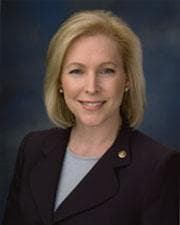
- Kirsten Gillibrand
- Cosponsors
- - 3 - 0
- Introduced
- In Committee
What this bill would do
This bill, known as the FABRIC Act, introduces new rules for the U.S. garment industry to protect workers and hold businesses accountable. It bans employers from paying garment workers by the piece rate, requiring them to pay at least regular hourly minimum wages instead. Manufacturers and contractors must now register annually with the Department of Labor, provide detailed business information, and pay a registration fee. The legislation also establishes joint liability for major brands and contractors when labor violations occur. Additionally, the bill creates a new Office of the Garment Industry within the Department of Labor and sets up a grant program to support domestic garment manufacturing.
Yes· 3 of 10
Would households on low incomes be better off under this?+5
The bill increases wage stability and protections for garment industry workers by mandating hourly wages instead of piece rates.
Would union members be better off under this?+5
The bill provides priority in grant awards to entities with collective bargaining agreements and increases wage enforcement.
Does this make it easier to run a small business?+4
The act provides competitive grants specifically for domestic manufacturers to acquire equipment and improve facilities.
The opposite
Would business owners be better off under this?-4
Business owners face new annual registration fees, strict personal information requirements, and significant potential penalties.
Who it would affect, and how
Potential Positive Impacts for People
-
Guaranteed Hourly Pay: Section 2 (Section 8(a) and Section 8(b) of the Fair Labor Standards Act) bans piece-rate pay and requires employers to pay garment workers at least the standard hourly minimum wage. This gives workers more stable and predictable paychecks.
-
Brand Accountability: Section 2 (Section 8(c)) makes brand guarantors jointly and severally liable with employers for labor violations. This ensures that major brands share responsibility if workers are mistreated or underpaid by contractors.
-
Support for Domestic Manufacturing and Workers: Section 5 establishes a national support program to award grants up to $5,000,000 to eligible entities. These funds can be used for employee training, workplace safety improvements, and educating workers about their legal rights.
Potential Negative Impacts for People
-
Strict Registration and Reporting Requirements: Section 3 requires garment manufacturers and contractors to submit extensive personal and business information, including the residential addresses, phone numbers, and Social Security numbers of owners, partners, and employees. This heavy paperwork burden could create challenges for small businesses.
-
Costly Penalties for Noncompliance: Section 3 (Section 3(g)) allows the Secretary of Labor to impose civil money penalties of up to $50,000,000 for violating registration requirements. While aimed at bad actors, such massive penalties could potentially force struggling businesses to close.
Groups and Interests Ranking
Every group the model scored this bill for, from -10 to +10. Hover a score for the reason it gave.
- Demographic And Interest Groups
- Good For Low Income Households+5Good For Union Workers+5Good For Veterans+3Good For Women+3Good For Hispanic Americans+2Good For Business Owners-4
- Economy And Finance
- Improves Small Business Support+4Improves Economic Growth+3
- Social Issues And Justice
- Improves Gender Equality+3Improves Racial Equity+3
- Governance And Ideology
- Improves Government Transparency+2
- 9/22/2026
- 1 Cosponsor added.
- 9/14/2026
- Read twice and referred to the Committee on Health, Education, Labor, and Pensions.
- 3 Cosponsors added.
- Introduced in Senate
3 bills Congress.gov lists as related to this one — companions in the other chamber, earlier versions, and bills this one absorbed or was folded into.
 Cory Booker
Democrat · New Jersey
 Tammy Duckworth
Democrat · Illinois
 Bernie Sanders
Independent · Vermont
 Elizabeth Warren
Democrat · Massachusetts