Bill · S. 5305· Senate(119-S-5305)
Campus Lifeline Act
- Introduced
- 8/6/2026
- Last activity
- 8/6/2026 — Read twice and referred to the Committee on Health, Education, Labor, and Pensions.
- Sponsored by
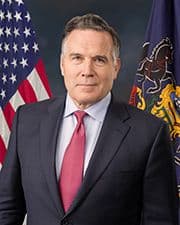
- David McCormick
- Cosponsors
- - 1 - 2
- Introduced
- In Committee
What this bill would do
The Campus Lifeline Act seeks to amend the Public Health Service Act to modify existing grant programs and the National Suicide Prevention Lifeline program. It aims to enhance mental health and substance use disorder services for students in higher education by including student organizations and peer-led interventions. The bill expands the scope of activities to include recognizing warning signs and creating digital awareness campaigns. It also requires outreach for students in remote or online learning programs. Additionally, the act coordinates with states and schools to promote the suicide prevention hotline on identification cards. Finally, it mandates consultation with other government agencies to improve program awareness.
Yes· 3 of 7
Would students be better off under this?+9
The bill directly implements enhanced mental health and suicide prevention resources for students.
Would people in their twenties and thirties be better off under this?+8
The bill provides critical mental health support specifically targeting the higher education student population.
Does this make mental health care easier to get?+7
The bill enhances mental health services for students through peer-led interventions and increased outreach.
The opposite
No question was scored the opposite.
Who it would affect, and how
Potential Positive Impacts for People
-
Increased Peer Support: The bill allows for student organizations that promote mental health awareness, suicide prevention, or substance use disorder education to be included in grant programs (Section 2, subsection (b)(10)).
-
Effective Intervention: The bill expands activities to include recognizing and intervening effectively and appropriately with peers who show warning signs of mental health or substance use disorders (Section 2, subsection (b)(10)).
-
Improved Resource Awareness: Students can be encouraged to seek help through digital and social media campaigns that help them recognize when assistance is needed (Section 2, subsection (b)(10)).
-
Support for Remote Students: The bill requires descriptions of how outreach and behavioral health resources will be provided to students in online, hybrid, distance-learning, or remote programs, including those in rural or underserved communities (Section 2, subsection (d)).
-
Enhanced Accessibility: The legislation aims to ensure that outreach, education, and peer support are accessible to remote students through virtual engagement and telehealth-enabled resources (Section s 2, subsection (d)).
-
Expanded Grant Access: Funding may be made available to other institutions of higher education that applied for but did not receive a grant, provided they plan to carry out similar activities (Section 2, subsection (h)).
-
Easier Access to Crisis Help: The bill encourages the listing of the suicide prevention hotline on school identification cards and promotes digital awareness campaigns for all students, including those in remote education programs (Section 3, subsection (b)(4)).
Potential Negative Impacts for People
- No negative impacts are explicitly mentioned in the provided text.
Groups and Interests Ranking
Every group the model scored this bill for, from -10 to +10. Hover a score for the reason it gave.
- Demographic And Interest Groups
- Good For Students+9Good For Young Adults+8Good For Rural Residents+5
- Healthcare
- Improves Mental Health Access+7Improves Healthcare Access+5Improves Opioid Crisis Response+4
- Environment Energy And Infrastructure
- Improves Rural Development+3
- 8/6/2026
- Read twice and referred to the Committee on Health, Education, Labor, and Pensions.
- 3 Cosponsors added.
- Introduced in Senate
 Maggie Hassan
Democrat · New Hampshire
 Timothy Kaine
Democrat · Virginia
 Pete Ricketts
Republican · Nebraska