Bill · S. 5263· Senate(119-S-5263)
Workforce Recovery and Resilience Act
- Introduced
- 8/5/2026
- Last activity
- 8/5/2026 — Read twice and referred to the Committee on Health, Education, Labor, and Pensions.
- Sponsored by
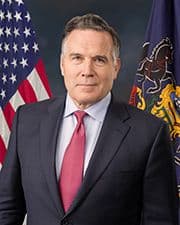
- David McCormick
- Cosponsors
- - 0 - 2
- Introduced
- In Committee
What this bill would do
The Workforce Recovery and Resilience Act amends the Workforce Innovation and Opportunity Act. It requires the Secretary to provide States and local areas with updated, evidence-based information on managing the workforce impacts of substance use disorders. Additionally, the bill allows local areas to receive grants for employment and training activities focused on the treatment and prevention of substance use disorders. These grants are intended for areas where the demand for these services exceeds available state and local resources.
Yes· 3 of 18
Does this do more about addiction and overdose deaths?+8
Directly addresses the workforce and health impacts of widespread substance use and overdoses.
Would households on low incomes be better off under this?+7
Offers free or subsidized employment training and treatment for those in high-demand areas.
Does this make mental health care easier to get?+6
Provides funding for training and activities related to mental health and addiction treatment.
The opposite
Does this reduce what the federal government spends?-2
Increases government spending through the provision of new national dislocated worker grants.
Who it would affect, and how
Potential Positive Impacts for People
-
Access to Best Practices: The Secretary will disseminate and annually update information on evidence-based practices to help States and local areas address the economic and workforce impacts of substance use disorders (Section 2).
-
Increased Funding for Treatment and Prevention: National dislocated worker grants can now be provided to entities to offer training and employment activities for addiction treatment, mental health treatment, and pain management (Section 3(1)).
-
Expanded Eligibility for Assistance: Individuals can receive employment and training assistance if they are dislocated workers, long-term unemployed, unemployed or underemployed due to widespread substance use in their area, or working in healthcare professions related to substance use disorder treatment (Section 3(2)).
Potential Negative Impacts for People
- No negative impacts for individuals or groups are explicitly mentioned in the provided text.
Groups and Interests Ranking
Every group the model scored this bill for, from -10 to +10. Hover a score for the reason it gave.
- Demographic And Interest Groups
- Good For Low Income Households+7Good For Middle Aged+5Good For Rural Residents+5Good For Young Adults+5Good For People With Disabilities+4Good For Middle Class Households+3Good For Urban Residents+3Good For Business Owners+2
- Healthcare
- Improves Opioid Crisis Response+8Improves Mental Health Access+6Improves Healthcare Access+5Increases Research Funding+2
- Social Issues And Justice
- Improves Poverty Reduction+4Reduces Homelessness+3
- Economy And Finance
- Increases Job Creation+4Improves Economic Growth+3Reduces Government Spending-2
- Environment Energy And Infrastructure
- Improves Rural Development+3
- Governance And Ideology
- Increases Federal Power+2
- 9/14/2026
- 1 Cosponsor added.
- 8/5/2026
- Read twice and referred to the Committee on Health, Education, Labor, and Pensions.
- 1 Cosponsor added.
- Introduced in Senate
2 bills Congress.gov lists as related to this one — companions in the other chamber, earlier versions, and bills this one absorbed or was folded into.
 John Fetterman
Democrat · Pennsylvania
 Maggie Hassan
Democrat · New Hampshire