Bill · S. 5012· Senate(119-S-5012)
Welcome Back to the Health Care Workforce Act
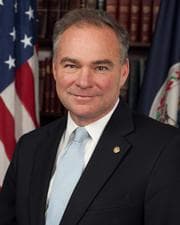
- Introduced
- 7/16/2026
- Last activity
- 7/16/2026 — Read twice and referred to the Committee on Health, Education, Labor, and Pensions.
- Sponsored by
- Timothy Kaine
- Cosponsors
- - 0 - 1
- Introduced
- In Committee
What this bill would do
This bill allows the Secretary of Health and Human Services to give out grants for career support to health care professionals who were educated in other countries. These grants help these professionals integrate into the United States health care workforce. The Secretary must consult with the Secretary of Labor and the Secretary of Education before awarding the grants. Priority is given to projects that help recruit and retain these professionals in rural areas or communities with health care workforce shortages. Grant recipients must use the funds for system-level improvements and individual-level improvements to support these workers.
Yes· 3 of 14
Would immigrants be better off under this?+8
The bill directly targets internationally educated professionals—including permanent residents, refugees, and asylees—helping them integrate into the U.S. workforce.
Does this make health care easier to get in general?+7
By expanding the pool of credentialed healthcare professionals, especially in rural and shortage areas, the legislation improves overall healthcare access.
Would people in rural areas be better off under this?+6
Priority is explicitly given to projects supporting the recruitment and retention of healthcare professionals in rural communities.
The opposite
No question was scored the opposite.
Who it would affect, and how
Potential Positive Impacts for People
-
Section 779(d)(1)(C)(ii) provides funding and access to accelerated courses for English as a second language and board or licensure exam preparation, which helps internationally educated health care professionals pass required tests and enter the workforce.
-
Section 779(d)(1)(C)(v) provides individualized work-readiness supports, clinical experience, and training, which helps workers gain the practical skills needed for employment in the United States.
-
Section 779(d)(1)(C)(vii) provides individualized supportive services such as help with living expenses, health care, or transportation, which directly assists workers with the costs of daily living while pursuing career advancement.
Potential Negative Impacts for People
- The provided text does not contain any specific sections or provisions that outline negative consequences or burdens for individuals or groups of people in the United States.
Groups and Interests Ranking
Every group the model scored this bill for, from -10 to +10. Hover a score for the reason it gave.
- Demographic And Interest Groups
- Good For Immigrants+8Good For Rural Residents+6Good For Low Income Households+4Good For Seniors+4Good For Students+4Good For Business Owners+3
- Economy And Finance
- Increases Job Creation+5Improves Economic Growth+3
- Healthcare
- Improves Healthcare Access+7
- Social Issues And Justice
- Improves Poverty Reduction+3Improves Racial Equity+3
- Environment Energy And Infrastructure
- Improves Rural Development+5
- Governance And Ideology
- Improves Government Transparency+3Increases Federal Power+2
- 7/16/2026
- Read twice and referred to the Committee on Health, Education, Labor, and Pensions.
- 1 Cosponsor added.
- Introduced in Senate
One bill Congress.gov lists as related to this one — companions in the other chamber, earlier versions, and bills this one absorbed or was folded into.
 Lisa Murkowski
Republican · Alaska