Bill · S. 5004· Senate(119-S-5004)
Cancer Drug Parity Act of 2026
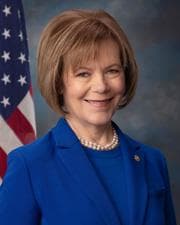
- Introduced
- 7/15/2026
- Last activity
- 7/15/2026 — Read twice and referred to the Committee on Health, Education, Labor, and Pensions.
- Sponsored by
- Tina Smith
- Cosponsors
- - 3 - 1
- Introduced
- In Committee
What this bill would do
The Cancer Drug Parity Act of 2026 amends the Employee Retirement Income Security Act of 1974. It requires group health plans to ensure that cost-sharing for FDA-approved, patient-administered oral anticancer drugs is no less favorable than the cost-sharing for anticancer medications administered by a health care provider. This applies to medications that a physician finds medically necessary or clinically appropriate. The bill prohibits plans from increasing out-of-pocket costs or restricting oral medications further to comply with these rules. It also directs the Comptroller General to study the impact of these changes on out-of-pocket costs.
Yes· 3 of 22
Does this lower the price of prescription medicines?+7
Reduces out-of-pocket costs for patients using FDA-approved oral anticancer medications.
Would households on low incomes be better off under this?+6
Reduces the financial burden of expensive oral cancer drugs for low-income patients in group plans.
Would middle-income households be better off under this?+6
Lowers out-of-pocket costs for cancer treatments for middle-class families.
The opposite
Would business owners be better off under this?-2
May increase costs for business owners providing group health insurance to employees.
Does this lower what people pay for private health insurance?-2
Requiring more favorable cost-sharing for oral drugs may lead insurers to raise premiums to cover costs.
Who it would affect, and how
Potential Positive Impacts for People
-
Fairer Cost-Sharing: Patients using oral anticancer drugs may see costs that are no less favorable than those for injected or intravenous medications, as required by SEC. 2(a).
-
Protection Against Cost Hikes: Group health plans are prohibited from increasing out-of-pocket costs or reclassifying benefits to raise costs specifically to comply with this act, according to SEC. 2(c).
-
Maintaining State Protections: The bill does not override State laws that already provide more protections for oral anticancer medication coverage, per SEC. 2(d)(3).
-
Future Improvements: The GAO study required by SEC. 3 will assess financial barriers and provide recommendations to Congress on how to improve access to these medications.
Potential Negative Impacts for People
- Continued Use of Controls: The bill does not stop group health plans from requiring prior authorization or other utilization controls for anticancer medications, according to SEC. 2(d)(2).
Groups and Interests Ranking
Every group the model scored this bill for, from -10 to +10. Hover a score for the reason it gave.
- Demographic And Interest Groups
- Good For Low Income Households+6Good For Middle Class Households+6Good For Middle Aged+5Good For Union Workers+5Good For African Americans+3Good For Asian Americans+3Good For Children+3Good For High Income Households+3Good For Hispanic Americans+3Good For Men+3Good For Native Americans+3Good For People With Disabilities+3Good For Students+3Good For White Americans+3Good For Women+3Good For Young Adults+3Good For Business Owners-2
- Healthcare
- Reduces Prescription Drug Costs+7Improves Healthcare Access+6Reduces Private Insurance Premiums-2
- Economy And Finance
- Improves Consumer Protection+5
- Governance And Ideology
- Increases Federal Power+2Increase States Rights+1
- Social Issues And Justice
- Improves Poverty Reduction+3
- 9/30/2026
- 1 Cosponsor added.
- 9/14/2026
- 2 Cosponsors added.
- 7/15/2026
- Read twice and referred to the Committee on Health, Education, Labor, and Pensions.
- 1 Cosponsor added.
- Introduced in Senate
One bill Congress.gov lists as related to this one — companions in the other chamber, earlier versions, and bills this one absorbed or was folded into.
 Tammy Baldwin
Democrat · Wisconsin
 Richard Blumenthal
Democrat · Connecticut
 Jerry Moran
Republican · Kansas
 Jeff Merkley
Democrat · Oregon