
A Democratic bill with 1 Republican cosponsor · See the cosponsor
Last activity — Read twice and referred to the Committee on the Judiciary.
In committee
Introduced and handed to a committee in the chamber it started in.
The committee holds it, and most bills are never heard from again. A hearing or a committee vote would be news; silence is the usual outcome, and it kills the bill without anyone voting against it.
Its path through Congress
- Introduced
- In Committee
What this bill would do
The Stop TNR Act of 2026 aims to amend the United States Code to include a sentencing enhancement for transnational repression. This includes activities by foreign powers or their agents targeting United States persons through coercion, harassment, or violence. The bill establishes a legal definition for transnational repression to help law enforcement address these actions. It centralizes oversight of related prosecutions and investigations within the Department of Justice and the FBI. Additionally, the act requires annual reports, congressional briefings, and a review of available responses to these threats.
Yes· 3 of 9
- Scored +5
Does this shorten or soften prison sentences?
The bill establishes a new sentencing enhancement of up to 10 years for crimes involving transnational repression.
- Scored +5
Does this protect what people are allowed to say in public life?
The bill seeks to deter foreign actors from using transnational repression to silence speech protected by the First Amendment.
- Scored +4
Would immigrants be better off under this?
The bill protects foreign nationals physically present in the United States from transnational repression.
The opposite
No question was scored the opposite.
Who it would affect, and how
Potential Positive Impacts for People
-
Increased Deterrence for Foreign Actors: By establishing a sentencing enhancement of up to 10 years in prison and a fine of up to $100,000, the bill seeks to create a heightened deterrent against those engaging in transnational repression (Section 4).
-
Protection of Constitutional Rights: The bill identifies that transnational repression is used to silence speech protected by the First Amendment, and its provisions aim to address efforts intended to prevent individuals from exercising these rights (Section 2).
-
Enhanced Oversight and Investigation: The bill centralizes oversight of investigations within the FBI and prosecutions within the National Security Division of the Department of Justice (Section 5).
-
Public Awareness and Education: The act calls for a public education campaign regarding how artificial intelligence is used for foreign influence, disinformation, and transnational repression (Section 9).
-
Improved Information Sharing: The requirement for annual unclassified reports provides the public with descriptions of trends, methods, and the government's efforts to disrupt these activities (Section 7).
Potential Negative Impacts for People
- Increased Penalties for Convicted Individuals: Those found guilty of crimes involving acts of transnational repression would face significant additional punishments, including up to 10 years of imprisonment and fines of up to $100,000 (Section 4).
Groups and Interests Ranking
Every group the model scored this bill for, from -10 to +10. Tap or hover a score for the reason it gave.
- Social Issues And Justice
- Does this shorten or soften prison sentences? — The bill establishes a new sentencing enhancement of up to 10 years for crimes involving transnational repression. Does this protect what people are allowed to say in public life? — The bill seeks to deter foreign actors from using transnational repression to silence speech protected by the First Amendment.
- Demographic And Interest Groups
- Would immigrants be better off under this? — The bill protects foreign nationals physically present in the United States from transnational repression. Would Hispanic Americans be better off under this? — The bill provides protections for members of ethnic minority groups targeted by foreign repression.
- Governance And Ideology
- Does this protect people from being watched or searched? — The bill aims to protect individuals from surveillance and intimidation used by foreign powers to target them. Does this make what the government does easier for the public to see? — The bill mandates annual unclassified reports to the public regarding trends in transnational repression.
- National Security And Foreign Policy
- Does this better protect the country from computer attacks? — The bill addresses the use of artificial intelligence and commercial spyware in transnational repression tactics. Does this favour talking over confrontation abroad? — The act includes a review of diplomatic measures and potential sanctions to respond to foreign threats.
- Education And Technology
- Does this give people more control over their personal data? — The bill addresses the use of commercial spyware and AI-driven surveillance used in transnational repression.
- 7/14/2026
- Read twice and referred to the Committee on the Judiciary.
- 1 Cosponsor added.
- Introduced in Senate
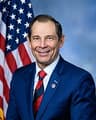 John Curtis
Republican · Utah