Bill · S. 4817· Senate(119-S-4817)
Children Harmed In Life-threatening or Dangerous Labor Act
A bill to strengthen protections against child labor violations, and for other purposes.
- Introduced
- 6/17/2026
- Last activity
- 6/17/2026 — Read twice and referred to the Committee on Health, Education, Labor, and Pensions.
- Sponsored by
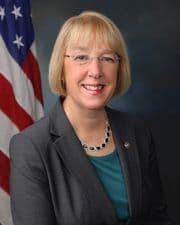
- Patty Murray
- Cosponsors
- - 10 - 0
- Introduced
- In Committee
What this bill would do
The "CHILD Labor Act" aims to strengthen protections against child labor violations. It updates the definition of "oppressive child labor" to include specific dangerous industries for anyone under 18. The bill increases civil and criminal penalties for violators and allows victims to seek compensatory and punitive damages. It also holds companies accountable for child labor used by their subcontractors and suppliers. Additionally, it mandates child labor requirements for federal contractors and requires annual reports to Congress on work-related injuries and deaths.
Yes· 3 of 9
Would children be better off under this?+10
Bans minors from hazardous industries and provides high compensatory damages for victims.
Would people in their twenties and thirties be better off under this?+6
Extends hazardous work protections up to age 18.
Would students be better off under this?+5
Protects minors from employment that interferes with their schooling.
The opposite
Would business owners be better off under this?-7
Imposes severe penalties, high liability for successors, and stricter compliance for contractors.
Does this make it easier to run a small business?-4
Increases compliance burdens, penalties, and liability for successors in interest.
Does this leave more decisions to the states?-2
Increases federal oversight of child labor and contractor requirements.
Who it would affect, and how
Potential Positive Impacts for People
- Increased Safety for Minors: The bill bans anyone under 18 from working in manufacturing, mining, trenching, excavation, meat processing, demolition, or explosives (Section 101(a)).
- Financial Recovery for Victims: Employees affected by child labor violations can seek compensatory damages of at least $75,000, or $750,000 if the violation caused death or serious injury (Section 103(c) and (f)).
- Higher Deterrents for Violators: The bill raises penalties to $160,350 per employee or $728,760 for violations causing death or serious injury, with the possibility of doubling these amounts for willful or repeated offenses (Section 103(a)).
- Supply Chain Accountability: Companies can be held responsible if their subcontractors use oppressive child labor, discouraging the practice throughout the production chain (Section 102(a)).
- Better Public Information: The Secretary of Labor must annually report on trends regarding work-related injuries, illnesses, and deaths (Section 301).
- Professional Training: The bill provides for education and training to help professionals identify and respond to oppressive child labor (Section 104).
Potential Negative Impacts for People
- Business Burdens for Contractors: Federal contractors must now establish labor-management committees and provide training to all subcontractors regarding child labor (Section 202(b)).
- Financial Risk for Successors: People or companies that buy another business (successors in interest) can be held jointly and severally liable for the previous owner's child labor violations (Section 102(d) and 201(b)).
- Severe Penalties for Mistakes: Individuals who interfere with "Unlawfully Manufactured; Child Labor" tags can face fines of up to $500,000 or one year in prison (Section 102(c) and 103(d)).
- Loss of Federal Contracts: Businesses found in violation of child labor stipulations may be prohibited from receiving new federal contracts or financial assistance for three years (Section 202(d)).
- Employer Liability for Stop Work Orders: If the government issues a stop work order, the employer must still pay employees their regular rate for the hours they would have worked (Section 102(e)).
Groups and Interests Ranking
Every group the model scored this bill for, from -10 to +10. Hover a score for the reason it gave.
- Demographic And Interest Groups
- Good For Children+10Good For Young Adults+6Good For Students+5Good For Low Income Households+4Good For Union Workers+3Good For Business Owners-7
- Governance And Ideology
- Improves Government Transparency+5Increases Federal Power+4Increase States Rights-2
- Economy And Finance
- Improves Consumer Protection+3Improves Union Protections+2Improves Small Business Support-4
- 9/29/2026
- 1 Cosponsor added.
- 6/17/2026
- Read twice and referred to the Committee on Health, Education, Labor, and Pensions.
- 10 Cosponsors added.
- Introduced in Senate
One bill Congress.gov lists as related to this one — companions in the other chamber, earlier versions, and bills this one absorbed or was folded into.
 Angela Alsobrooks
Democrat · Maryland
 Tammy Duckworth
Democrat · Illinois
 John Fetterman
Democrat · Pennsylvania
 Edward Markey
Democrat · Massachusetts
 Christopher Murphy
Democrat · Connecticut
 Alex Padilla
Democrat · California
 John Reed
Democrat · Rhode Island
 Bernie Sanders
Independent · Vermont
 Tina Smith
Democrat · Minnesota
 Ron Wyden
Democrat · Oregon
 Elizabeth Warren
Democrat · Massachusetts