Bill · S. 4777· Senate(119-S-4777)
Blast Overpressure Research and Mitigation Task Force Act
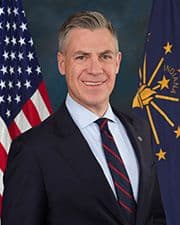
- Introduced
- 6/11/2026
- Last activity
- 6/11/2026 — Read twice and referred to the Committee on Veterans' Affairs.
- Sponsored by
- Jim Banks
- Cosponsors
- None
- Introduced
- In Committee
What this bill would do
This bill proposes the creation of the Blast Overpressure Task Force within the Department of Veterans Affairs. The Secretary of Veterans Affairs is tasked with establishing this group through the Department of Veterans Affairs-Department of Defense Joint Executive Committee. The task force's mission is to improve healthcare and benefits for veterans or service members dealing with symptoms from blast exposure, such as traumatic brain injury or PTSD. It aims to align research, establish performance baselines, and prioritize specific types of translational research. Additionally, the group will monitor sensory decline and integrate diagnostic tools to ensure continuity of care. The task force is scheduled to terminate on September 30, 2029.
Yes· 3 of 5
Would veterans be better off under this, taking everything together?+7
The bill establishes a dedicated task force to improve medical care, research, and benefits for veterans suffering from blast exposure.
Does this increase the pay, pensions or support veterans receive?+6
The bill creates a task force specifically to improve healthcare and benefit evaluation for veterans with blast-related injuries.
Does this make health care easier to get in general?+5
The bill aims to improve how the Secretary provides healthcare and benefits to veterans dealing with blast exposure symptoms.
The opposite
No question was scored the opposite.
Who it would affect, and how
Potential Positive Impacts for People
-
Improved Healthcare and Benefits: The task force works to improve how the Secretary provides healthcare and benefits to those diagnosed with traumatic brain injury, PTSD, or other symptoms from blast exposure (Section 2(c)(1)).
-
Prioritized Medical Research: The bill directs the task force to prioritize research into specific health issues including sleep therapy, gut health, mobile diagnostics, and vestibular dysfunction (Section 2(c)(4)).
-
Better Monitoring of Health Issues: The group is tasked with monitoring sensory decline, such as vision and hearing, as well as stress-related impairments (Section 2(c)(5)).
-
Enhanced Continuity of Care: The task force will work to support continuity of care by integrating longitudinal and mobile diagnostic tools (Section 2(c)(6)).
-
Improved Evidence Evaluation for Claims: The task force will provide recommendations on how claims processors should evaluate evidence linking researched conditions to active military service (Section 2(d)(2)(B)(i)).
-
Better Neurological Examinations: The group will recommend best practices for evaluating neurological injuries during benefit examinations (Section 2(d)(2)(B)(ii)).
Potential Negative Impacts for People
- Limited Duration of Oversight: The task force is set to terminate on September 30, 2029, which means its specific efforts and oversight may end at that time (Section 2(e)).
Groups and Interests Ranking
Every group the model scored this bill for, from -10 to +10. Hover a score for the reason it gave.
- Healthcare
- Improves Healthcare Access+5Increases Research Funding+5
- Demographic And Interest Groups
- Good For Veterans+7
- National Security And Foreign Policy
- Improves Veterans Benefits+6
- Education And Technology
- Increases Scientific Research Funding+4
- 6/11/2026
- Read twice and referred to the Committee on Veterans' Affairs.
- Introduced in Senate