Bill · S. 449· Senate(119-S-449)
Expediting Forest Restoration and Recovery Act of 2025
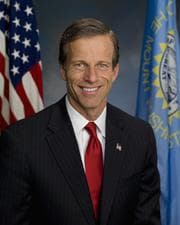
- Introduced
- 2/6/2025
- Last activity
- 2/6/2025 — Read twice and referred to the Committee on Agriculture, Nutrition, and Forestry. (text: CR S794)
- Sponsored by
- John Thune
- Cosponsors
- - 2 - 0
- Introduced
- In Committee
What this bill would do
The Expediting Forest Restoration and Recovery Act of 2025 aims to amend the Healthy Forests Restoration Act of 2003. It directs the Secretary of Agriculture to speed up projects intended to reduce risks from hazardous fuel, insects, and disease on certain National Forest System lands. The bill establishes specific definitions for insect and disease treatment areas and dictates how environmental analyses should be conducted. It also mandates that the Secretary prioritize reducing infestation and wildfire risks over other planning objectives in certain areas. Additionally, the bill modifies how revenue from timber sales is handled under Good Neighbor agreements.
Yes· 3 of 6
Would people in rural areas be better off under this?+3
The bill allows for local control of restoration funds and prioritizes reducing wildfire risks in forest lands.
Does this invest in rural communities?+3
The bill empowers Governors to retain and use timber sale revenue for local restoration services within their states.
Would business owners be better off under this?+2
The bill creates more streamlined processes for timber production and restoration services.
The opposite
Does this better protect air, water and wildlife?-3
The bill allows the Secretary to bypass full environmental assessments through the use of categorical exclusions.
Who it would affect, and how
Potential Positive Impacts for People
-
Priority Risk Reduction: The Secretary is required to prioritize reducing the risks of insect and disease infestation and wildfire over other planning objectives in insect and disease treatment areas (Section 2, paragraph 3). This could benefit people by focusing resources on immediate environmental threats.
-
Streamlined Project Processes: The bill allows the Secretary to apply categorical exclusions for projects in insect and disease treatment areas that are suitable for timber production or where harvest is not prohibited (Section 2, paragraph 2(A)). This may lead to faster implementation of risk reduction projects.
-
Local Control of Restoration Funds: Under Good Neighbor agreements, Governors can retain and use funds from timber sales to carry out authorized restoration services within their State (Section 3). This allows for funds to be used directly for local restoration needs.
Potential Negative Impacts for People
-
Reduced Environmental Oversight: The Secretary may bypass certain environmental assessments by using categorical exclusions in areas designated as suitable for timber or where harvest is not prohibited (Section 2, paragraph 2(A)). This could result in less scrutiny of environmental impacts.
-
Expanded Discretionary Authority: The Secretary has the authority to determine when "other significant resource concerns exist," which dictates whether a full environmental assessment or impact statement is required (Section 2, paragraph 2(B)(i)(II)). This gives the Secretary significant control over what level of analysis is conducted.
-
Exclusion of Certain Areas from Expedited Processes: The expedited authorities do not apply to the National Wilderness Preservation System or inventoried roadless areas, unless specific rules are met (Section 2, paragraph 5). This means certain protected lands will not benefit from these specific expedited procedures.
Groups and Interests Ranking
Every group the model scored this bill for, from -10 to +10. Hover a score for the reason it gave.
- Demographic And Interest Groups
- Good For Rural Residents+3Good For Business Owners+2
- Economy And Finance
- Improves Small Business Support+2
- Governance And Ideology
- Improves Government Transparency+2
- Social Issues And Justice
- Improves Affordable Housing+1
- Environment Energy And Infrastructure
- Improves Rural Development+3Improves Environmental Protections-3
- 2/10/2025
- 1 Cosponsor added.
- 2/6/2025
- Read twice and referred to the Committee on Agriculture, Nutrition, and Forestry. (text: CR S794)
- 1 Cosponsor added.
- Introduced in Senate
 James Risch
Republican · Idaho
 Mike Rounds
Republican · South Dakota