Bill · S. 4373· Senate(119-S-4373)
Fighter Aircrew Career Flexibility Act
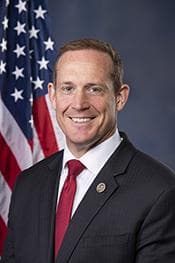
- Introduced
- 4/22/2026
- Last activity
- 4/22/2026 — Read twice and referred to the Committee on Armed Services.
- Sponsored by
- Ted Budd
- Cosponsors
- - 3 - 3
- Introduced
- In Committee
What this bill would do
The Fighter Aircrew Career Flexibility Act establishes a pilot program designed to retain experienced regular Air Force fighter aircrew. This program allows eligible officers with specific specialty codes to take a one-time, time-limited career intermission. During this period, participants move to the Individual Ready Reserve for a duration of between 4 months and 1 year. The program aims to reduce early separations and keep subject matter experts available for leadership and staff roles. The pilot program is scheduled to terminate five years after its establishment.
Yes
Would veterans be better off under this, taking everything together?+2
The program aids in the retention of experienced aircrew by providing career flexibility and maintaining professional readiness.
Does this increase the pay, pensions or support veterans receive?+1
The bill provides continuity of certain benefits and access to military installations for service members during their intermission.
The opposite
No question was scored the opposite.
Who it would affect, and how
Potential Positive Impacts for People
-
Career Retention and Flexibility: The program allows experienced aircrew to take a break from active duty to see if targeted intermissions can reduce early separations from the Air Force (Section 2(a)).
-
Maintaining Professional Readiness: Participants can undergo inactive service training during their intermission to ensure they retain proficiency in military skills, professional qualifications, and physical readiness (Section 2(d)(3)).
-
Continued Base and Benefits Access: To ensure a rapid return to active status, the Secretary of the Air Force will allow participants to retain security clearances, base access, and commissary/exchange access to the maximum extent practicable (Section 2(d)(4)).
-
Housing Stability: Participants living in military or government housing are not required to move out of their residences during their intermission (Section 2(d)(6)).
-
Career Advancement Protection: Participation in this program cannot be used as a negative factor regarding promotion boards, career development, or assignment matching (Section 2(f)).
-
Streamlined Return to Duty: The Secretary of the Air Force must provide expedited on-boarding so returning members can meet prerequisites for flight or staff duties within 30 days of reporting back (Section 2(e)(1)).
Potential Negative Impacts for People
-
Financial Burdens during Intermission: While participants can stay in their housing, they are responsible for paying rent during the period that their basic housing allowance is suspended (Section 2(d)(6)).
-
Increased Service Commitment upon Return: Once a participant returns to active duty, they will incur a new active duty service commitment that is double the length of the time they spent on intermission (Section 2(e)(2)).
-
Impact on Retirement Timelines: Time spent participating in the program does not count toward an individual's eligibility for retirement or the calculation of retired pay (Section 2(d)(10)).
-
Potential for Forced Termination of Intermission: The Secretary of the Air Force has the discretion to require a participant to end their intermission and return to active service (Section 2(d)(11)).
-
Deployment Restrictions: Individuals who are scheduled for a deployment are not eligible to participate in the program until they return or the deployment is cancelled (Section 2(b)(5)).
Groups and Interests Ranking
Every group the model scored this bill for, from -10 to +10. Hover a score for the reason it gave.
- Demographic And Interest Groups
- Good For Veterans+2
- National Security And Foreign Policy
- Improves Veterans Benefits+1
- 4/22/2026
- Read twice and referred to the Committee on Armed Services.
- 7 Cosponsors added.
- Introduced in Senate
 Kevin Cramer
Republican · North Dakota
 Angus King
Independent · Maine
 Timothy Kaine
Democrat · Virginia
 Mike Rounds
Republican · South Dakota
 Jacky Rosen
Democrat · Nevada
 Jeanne Shaheen
Democrat · New Hampshire
 Eric Schmitt
Republican · Missouri