Bill · S. 4159· Senate(119-S-4159)
Sammy’s Law
- Introduced
- 3/20/2026
- Last activity
- 3/20/2026 — Read twice and referred to the Committee on Commerce, Science, and Transportation.
- Sponsored by
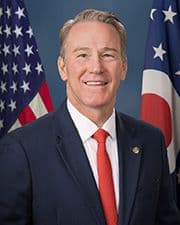
- Jon Husted
- Cosponsors
- - 1 - 1
- Introduced
- In Committee
What this bill would do
This bill, known as Sammy's Law, requires large social media platforms to build and maintain special technical tools for third-party safety software providers. Under Section 3(a)(1)(A), a child or a parent can give permission to an approved safety software provider to manage the child's online interactions, content, and account settings. Large platforms must make these tools available within specific timelines after the bill becomes law. Section 3(b) requires these safety software providers to register with the Federal Trade Commission and follow strict data protection rules. Section 3(d) outlines specific, limited situations where safety software providers are allowed to disclose collected user data to parents or authorities. Finally, Section 4 gives the Federal Trade Commission the power to enforce these rules and handle complaints.
Yes· 3 of 6
Does this put more rules on large technology companies?+7
The bill requires large social media platforms to create and maintain real-time APIs for third-party safety software providers and subjects them to compliance assessments.
Would children be better off under this?+7
The bill empowers parents and children to utilize third-party safety software to protect children from online harms, severe risks, and cyberbullying on large social media platforms.
Does this give people more control over their personal data?+6
The legislation establishes strict data deletion, security standards, and prohibitions on selling user data collected by third-party safety software providers.
The opposite
Does this leave more decisions to the states?-5
The bill preempts state and local laws regarding the requirement for large social media platforms to provide APIs for child safety software, establishing a single national standard.
Who it would affect, and how
Potential Positive Impacts for People
-
Under Section 3(a)(1)(A), parents or children can delegate permission to third-party safety software to manage account settings, interactions, and content, which gives families tools to help protect children from online harms.
-
Under Section 3(b)(1)(C) and Section 3(b)(3)(E), third-party safety software providers are required to quickly delete a child's user data—such as within 5 days of receiving it or after a delegation is revoked—which helps protect children's personal information from being stored indefinitely.
-
Under Section 3(b)(2), safety software providers are explicitly prohibited from selling any user data they collect, which prevents companies from profiting off of children's private information.
-
Under Section 3(d)(1)(C), safety software providers are allowed to share specific user data with parents if there is a foreseeable risk of severe issues like suicide, bullying, substance abuse, physical injury, or violence, helping parents intervene when their children are in danger.
Potential Negative Impacts for People
-
Under Section 3(a)(1)(A), large social media platforms must transfer user data to third-party software providers, which creates potential privacy risks regarding how third-party companies handle and secure children's personal information.
-
Under Section 3(b)(4), third-party safety software providers must pay for and undergo annual independent audits, which could increase operational costs that might get passed down to families who want to use these safety services.
Groups and Interests Ranking
Every group the model scored this bill for, from -10 to +10. Hover a score for the reason it gave.
- Education And Technology
- Increases Big Tech Regulation+7Improves Data Privacy+6
- Demographic And Interest Groups
- Good For Children+7
- Economy And Finance
- Improves Consumer Protection+6
- Governance And Ideology
- Improves Privacy Rights+6Improves Government Transparency+5Increase States Rights-5
- 3/20/2026
- Read twice and referred to the Committee on Commerce, Science, and Transportation.
- 2 Cosponsors added.
- Introduced in Senate
One bill Congress.gov lists as related to this one — companions in the other chamber, earlier versions, and bills this one absorbed or was folded into.
 Katie Britt
Republican · Alabama
 Mark Warner
Democrat · Virginia