Bill · S. 3583· Senate(119-S-3583)
Upward Mobility Act of 2026
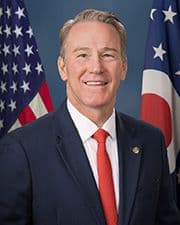
- Introduced
- 1/6/2026
- Last activity
- 6/3/2026 — Committee on Small Business and Entrepreneurship. Hearings held.
- Sponsored by
- Jon Husted
- Cosponsors
- - 2 - 0
- Introduced
- In Committee
What this bill would do
The Upward Mobility Act of 2026 establishes a pilot program that allows up to five States to receive Upward Mobility Grants. These grants enable States to consolidate various antipoverty program funds to carry out specific pilot projects. The program aims to reduce benefit cliffs and improve employment outcomes, such as increased earnings and job retention. States can apply for these grants to implement new benefit structures and service delivery methods. The pilot projects are intended to run for a single period of five years.
Yes· 3 of 10
Is this likely to lift people out of poverty?+5
The bill creates a grant program specifically designed to achieve antipoverty objectives and increase earnings.
Would households on low incomes be better off under this?+5
The bill's primary purpose is to promote upward mobility and increase earnings for those in antipoverty programs.
Does this make child care cost less?+3
The bill includes provisions for increasing the affordability of child care through pilot projects.
The opposite
No question was scored the opposite.
Who it would affect, and how
Potential Positive Impacts for People
-
Streamlined Service Delivery: The bill aims to achieve goals by streamlining service delivery and reducing inconsistent eligibility requirements and benefit cliffs through pilot projects (Section 2(b)(1)(A)).
-
Improved Employment and Earnings: The program promotes upward mobility by seeking improved employment outcomes, including increased employment and earnings among participants (Section 2(b)(1)(B)).
-
Reduced Benefit Cliffs: The Act provides for benefit structures that limit Marginal Effective Tax Rates, which can help prevent individuals from losing more in benefits than they gain in wages (Section 2(b)(2)(A)).
-
Increased Access to Essentials: Pilot projects can focus on increasing levels of employment, skills acquisition, housing affordability, access to nutrition, reduced home energy costs, and affordable child care (Section 2(b)(2)(B)).
Potential Negative Impacts for People
-
Loss of Access to Traditional Funding: During a pilot project, a State is not eligible to receive Federal funding for antipoverty programs outside of the pilot project (Section 2(e)(4)(A)(i)).
-
Restrictions on Additional Benefits: Individuals receiving per-capita direct assistance through a pilot project are not eligible for additional benefits under those antipoverty programs outside of the pilot project (Section 2(e)(4)(A)(ii)).
Groups and Interests Ranking
Every group the model scored this bill for, from -10 to +10. Hover a score for the reason it gave.
- Social Issues And Justice
- Improves Poverty Reduction+5Improves Affordable Housing+3Improves Childcare Affordability+3
- Demographic And Interest Groups
- Good For Low Income Households+5Good For Children+3Good For Middle Class Households+2
- Economy And Finance
- Increases Job Creation+3Improves Economic Growth+2
- Governance And Ideology
- Improves Government Transparency+2
- Environment Energy And Infrastructure
- Reduces Gas Prices+1
- 6/3/2026
- Committee on Small Business and Entrepreneurship. Hearings held.
- 1/15/2026
- 1 Cosponsor added.
- 1/8/2026
- 1 Cosponsor added.
- 1/6/2026
- Read twice and referred to the Committee on Finance.
- Introduced in Senate
One bill Congress.gov lists as related to this one — companions in the other chamber, earlier versions, and bills this one absorbed or was folded into.
 Joni Ernst
Republican · Iowa
 Tim Sheehy
Republican · Montana