Bill · S. 3491· Senate(119-S-3491)
Black Lung Benefits Improvement Act of 2025
- Introduced
- 12/16/2025
- Last activity
- 12/16/2025 — Read twice and referred to the Committee on Health, Education, Labor, and Pensions.
- Sponsored by
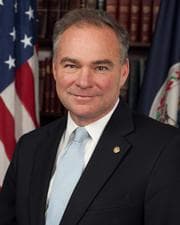
- Timothy Kaine
- Cosponsors
- - 2 - 0
- Introduced
- In Committee
What this bill would do
This bill is called the Essential Caregivers Act of 2025. It requires certain care facilities, like nursing homes and skilled nursing facilities, to let residents have access to designated essential caregivers even when regular visits are restricted. Residents or their representatives can choose these caregivers, who must follow facility safety protocols that are no stricter than those for staff. Facilities can only block these caregivers for very limited amounts of time, except for residents in end-of-life care or distress. The bill also sets up an appeals process through the State survey agency if a facility denies access improperly. Finally, facilities that break these rules can face corrective action plans and financial penalties of up to $5,000.
Yes· 3 of 12
Would people over 65 be better off under this?+8
The legislation directly benefits elderly residents in nursing facilities by preventing prolonged isolation and ensuring continuous access to family and advocates.
Would retired people be better off under this?+8
Retirees living in skilled nursing and assisted care facilities are protected from total isolation during emergency restrictions.
Would people with disabilities be better off under this?+7
Explicitly includes intermediate care facilities for individuals with intellectual disabilities, ensuring their right to essential caregivers.
The opposite
Would business owners be better off under this?-2
Care facility operators face potential regulatory burdens, corrective action plans, and financial penalties of up to $5,000 for non-compliance.
Who it would affect, and how
Potential Positive Impacts for People
-
Access to Caregivers During Emergencies: Under sections 3(a) and 3(b), skilled nursing facilities and nursing facilities must recognize a resident's right to designate and have access to essential caregivers every day and at any time, even during emergency periods when regular visitation is restricted. This ensures residents will not be completely isolated from their loved ones who provide supplemental care and advocacy.
-
Protection for Vulnerable Residents: Sections 3(a) and 3(b) state that facilities must allow access to any resident who is in end-of-life care or in decline or distress. This ensures that people who are suffering or passing away will not be blocked from seeing their chosen caregivers.
-
Clear Appeal Rights: Sections 3(a) and 3(b) establish an appeals process where residents and caregivers can challenge a facility's decision to deny access. State survey agencies must investigate these appeals quickly, and the facility carries the burden of proof to show the caregiver broke their safety agreement.
Potential Negative Impacts for People
-
Potential for Initial Access Denial: Under sections 3(a) and 3(b), facilities are allowed to deny an essential caregiver access to a resident for an initial period of up to 7 days during an emergency visitation restriction. With state health department approval, this denial can be extended for one additional period of not longer than 7 days, meaning a resident could potentially be separated from their caregiver for up to 14 total days.
-
Burdensome Safety Agreements: Under sections 3(a) and 3(b), an essential caregiver must agree to follow all safety protocols established by the facility. If the caregiver fails to comply with this agreement, they can be given a written warning, and if they fail to fix the issue, they can be denied access to the resident.
Groups and Interests Ranking
Every group the model scored this bill for, from -10 to +10. Hover a score for the reason it gave.
- Demographic And Interest Groups
- Good For Retirees+8Good For Seniors+8Good For People With Disabilities+7Good For Veterans+4Good For Low Income Households+2Good For Middle Class Households+2Good For Business Owners-2
- Governance And Ideology
- Improves Due Process+5Increases Federal Power+3Improves Government Transparency+2
- Healthcare
- Improves Healthcare Access+7Improves Mental Health Access+3
- Social Issues And Justice
- Improves Disability Rights+5
- 12/16/2025
- Read twice and referred to the Committee on Health, Education, Labor, and Pensions.
- 2 Cosponsors added.
- Introduced in Senate
One bill Congress.gov lists as related to this one — companions in the other chamber, earlier versions, and bills this one absorbed or was folded into.
 John Fetterman
Democrat · Pennsylvania
 Mark Warner
Democrat · Virginia