Bill · S. 3328· Senate(119-S-3328)
Digital Skills for Today’s Workforce Act
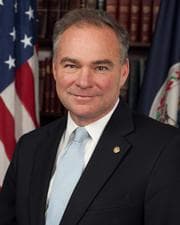
- Introduced
- 12/3/2025
- Last activity
- 12/3/2025 — Read twice and referred to the Committee on Health, Education, Labor, and Pensions.
- Sponsored by
- Timothy Kaine
- Cosponsors
- None
- Introduced
- In Committee
What this bill would do
This bill, known as the "Digital Skills for Today's Workforce Act," aims to amend the Workforce Innovation and Opportunity Act. It seeks to establish a digital skills at work grant program to promote digital equity. The program focuses on building digital skills for current and incoming workers in in-demand industries. It also aims to establish capacity within postsecondary, adult, and workforce development systems. Finally, the act intends to foster digitally resilient individuals and development systems.
Yes· 3 of 13
Would households on low incomes be better off under this?+7
The bill prioritizes individuals with barriers to employment, including those in the bottom two quintiles of earnings.
Would Black Americans be better off under this?+6
The bill addresses the specific digital skills gaps noted to disproportionately affect Black workers.
Would Hispanic Americans be better off under this?+6
The bill addresses the specific digital skills gaps noted to disproportionately affect Latino workers.
The opposite
No question was scored the opposite.
Who it would affect, and how
Potential Positive Impacts for People
-
Access to Good Jobs: The bill aims to build digital skills for workers in in-demand industries to advance access to good jobs and fill 21st-century occupations (Section 2).
-
Increased Digital Equity: The program is designed to promote digital equity, which is defined as individuals and communities having the necessary information technology capacity for full participation in society and the economy (Section 4, Section 172(a)(3)).
-
Support for Individuals with Barriers to Employment: The bill directs states to use grant funds to award subgrants to expand digital workplace skills, with a priority on assisting individuals with barriers to employment (Section 4, Section 172(b)(5)(A)).
-
Empowering Individuals: The goal of creating "digitally resilient" individuals is to provide them with the awareness, skills, and confidence to adapt to changing digital demands and be active participants in the economy (Section 4, Section 172(a)(4)(A)).
Potential Negative Impacts for People
- Privacy and Security Risks: While the bill includes requirements to protect the privacy and security of individuals, it acknowledges the handling of personally identifiable information and data collected during program activities (Section 4, Section 172(c)(2)(A)(viii) and (B)).
Groups and Interests Ranking
Every group the model scored this bill for, from -10 to +10. Hover a score for the reason it gave.
- Demographic And Interest Groups
- Good For Low Income Households+7Good For African Americans+6Good For Hispanic Americans+6Good For Business Owners+5Good For Middle Aged+4Good For Young Adults+4Good For Union Workers+3
- Economy And Finance
- Increases Job Creation+5Improves Small Business Support+4
- Education And Technology
- Improves Internet Access+4Improves College Affordability+3
- Social Issues And Justice
- Improves Racial Equity+6
- Governance And Ideology
- Improves Privacy Rights+2
- 12/3/2025
- Read twice and referred to the Committee on Health, Education, Labor, and Pensions.
- Introduced in Senate
One bill Congress.gov lists as related to this one — companions in the other chamber, earlier versions, and bills this one absorbed or was folded into.