Bill · S. 3316· Senate(119-S-3316)
WATER Act of 2025
- Introduced
- 12/3/2025
- Last activity
- 12/3/2025 — Read twice and referred to the Committee on Environment and Public Works.
- Sponsored by
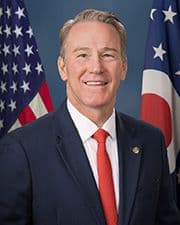
- Jon Husted
- Cosponsors
- - 1 - 0
- Introduced
- In Committee
What this bill would do
The WATER Act of 2025 establishes the Waterway Permit Section 404 Assignment program. This program allows the Secretary of the Army and the EPA Administrator to jointly delegate certain water-related permitting responsibilities to States. These responsibilities may include environmental reviews for covered projects like highways, railroads, or public transportation. States must demonstrate they have the financial and personnel capacity to handle these duties. Participation requires a written agreement and involves federal oversight through audits and monitoring.
Yes· 3 of 8
Does this leave more decisions to the states?+6
The bill empowers states to assume federal responsibilities for environmental permitting and reviews.
Does this repair or build roads and bridges?+3
The bill aims to streamline the environmental review process for highway and transportation projects.
Does this improve buses, trains and other public transport?+3
The bill allows states to handle permitting for public transportation projects more autonomously.
The opposite
Does this better protect air, water and wildlife?-2
Shifting environmental review responsibilities from federal agencies to states may reduce oversight consistency.
Who it would affect, and how
Potential Positive Impacts for People
-
Project Delivery Flexibility: The Secretary cannot require a State to give up project delivery methods that are otherwise allowed for covered projects. (Section 2(b)(2)(G))
-
Financial Support for Legal Costs: A State managing these responsibilities can use specific apportioned funds for attorneys' fees that are directly related to eligible activities for a covered project. (Section 2(b)(2)(H))
-
Local Government Assistance: A State can use its authority to help local government units by exercising authority on their behalf or providing guidance to minimize documentation and environmental analysis requirements. (Section 2(m))
Potential Negative Impacts for People
-
State Liability and Responsibility: Once a State assumes responsibility, it becomes solely responsible and solely liable for carrying out those duties instead of the Secretary. (Section 2(f))
-
Legal Risks for States: States that enter this program must agree to accept the jurisdiction of Federal courts for the enforcement of their assumed responsibilities. (Section 2(d)(1)(A)(ii))
-
Strict Compliance Requirements: States must adhere to the same procedural and substantive requirements that would otherwise apply to the Secretary. (Section 2(b)(2)(D)(i)(I))
Groups and Interests Ranking
Every group the model scored this bill for, from -10 to +10. Hover a score for the reason it gave.
- Governance And Ideology
- Increase States Rights+6Improves Government Transparency+2
- Demographic And Interest Groups
- Good For Business Owners+2Good For Urban Residents+2
- Environment Energy And Infrastructure
- Improves Public Transit+3Improves Roads And Bridges+3Improves Environmental Protections-2
- Economy And Finance
- Increases Job Creation+2Improves Small Business Support+1
- 12/3/2025
- Read twice and referred to the Committee on Environment and Public Works.
- 1 Cosponsor added.
- Introduced in Senate
 Pete Ricketts
Republican · Nebraska