Bill · S. 300· Senate(119-S-300)
DLARA
- Introduced
- 1/29/2025
- Last activity
- 3/4/2025 — Placed on Senate Legislative Calendar under General Orders. Calendar No. 22.
- Sponsored by
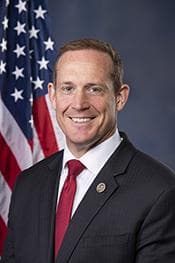
- Ted Budd
- Cosponsors
- - 8 - 1
- Introduced
- On Calendar
What this bill would do
This bill, known as the "Disaster Loan Accountability and Reform Act" or "DLARA," aims to improve accountability within the Small Business Administration's (SBA) disaster loan program. It introduces stricter reporting requirements regarding loan funding levels and changes to budget estimates. The legislation establishes protocols for when funding becomes low, including mandatory notifications to Congress and limitations on obligating certain loans. Additionally, it mandates several audits and reports from the GAO and the SBA Inspector General to investigate funding shortfalls and the impact of previous rule changes. The bill also requires the SBA Administrator to implement corrections to improve budget forecasting and data quality.
Yes
Does this make what the government does easier for the public to see?+6
The bill mandates monthly reports on funding levels and requires the GAO and Inspector General to conduct audits and investigations.
Does this make the government pay for what it commits to?+5
The bill mandates stricter reporting, audits, and budget forecasting improvements to prevent future disaster loan funding shortfalls.
Does this reduce what the federal government spends?+2
The bill limits the Administrator's ability to forgive loans or compromise on debt collections without explicit Congressional authorization.
The opposite· 3 of 6
Would business owners be better off under this?-3
The mandate that restricts loan obligations to collateralized loans during low funding periods creates a barrier for small businesses.
Does this make it easier to run a small business?-3
The bill allows the SBA to limit loan obligations to only those requiring collateral when funding levels drop below a certain threshold.
Would households on low incomes be better off under this?-2
Restrictions on unsecured loan access could disproportionately affect low-income borrowers who lack sufficient collateral.
Who it would affect, and how
Potential Positive Impacts for People
-
Increased Financial Transparency: The bill requires more detailed monthly reports regarding when available funding will reach specific thresholds and when it will be depleted (Section 4). This could help the public and Congress better understand the status of disaster loan funds.
-
Enhanced Budgetary Oversight: By requiring separate statements for SBA disaster loans and COVID-EIDL loans, including 10-year averages and explanations for differences, the bill provides clearer insight into requested appropriations (Section 5).
-
Accountability for Financial Forecasting: The bill mandates that the Administrator submit reports on corrections intended to improve forecasting, data quality, and budget assumptions (Section 10). This aims to prevent future funding shortfalls.
-
Investigation of Funding Shortfalls: The bill directs the Inspector General to conduct a review into the circumstances surrounding previous funding shortfalls, including an analysis of internal controls and the impact of administrative reorganizations (Section 9).
-
Impact Assessment of Rule Changes: The GAO is tasked with reporting on the costs and effects of previous final rules regarding loan limits, deferment periods, and collateral requirements (Section 8).
Potential Negative Impacts for People
-
Limitations on Loan Access During Low Funding: If unobligated loan funds drop below a specific threshold, the Administrator can limit loan obligations to only those that require collateral (Section 6). This could restrict access to unsecured disaster loans for individuals or businesses during a period of low funding.
-
Restrictions on Loan Forgiveness: The bill prohibits the Administrator from forgiving loans or compromising on debt collections unless specifically authorized by Congress (Section 6). This could prevent the Administrator from settling certain debts without legislative intervention.
-
Travel Restrictions for Officials: If the Administrator fails to submit required monthly reports by the deadline, funds for their official travel may be prohibited until the report is submitted (Section 4).
Groups and Interests Ranking
Every group the model scored this bill for, from -10 to +10. Hover a score for the reason it gave.
- Demographic And Interest Groups
- Good For Business Owners-3Good For Low Income Households-2Good For Rural Residents-2
- Governance And Ideology
- Improves Government Transparency+6
- Economy And Finance
- Improves Fiscal Responsibility+5Reduces Government Spending+2Improves Small Business Support-3Increases Job Creation-2
- Social Issues And Justice
- Improves Affordable Housing-2
- 4/9/2025
- 1 Cosponsor added.
- 3/4/2025
- Committee on Small Business and Entrepreneurship. Reported by Senator Ernst with an amendment in the nature of a substitute. Without written report.
- Placed on Senate Legislative Calendar under General Orders. Calendar No. 22.
- 2/24/2025
- 5 Cosponsors added.
- 2/20/2025
- Committee on Small Business and Entrepreneurship. Ordered to be reported with an amendment in the nature of a substitute favorably.
- 1/29/2025
- Read twice and referred to the Committee on Small Business and Entrepreneurship.
- 3 Cosponsors added.
- Introduced in Senate
One bill Congress.gov lists as related to this one — companions in the other chamber, earlier versions, and bills this one absorbed or was folded into.
 Joni Ernst
Republican · Iowa
 Jon Husted
Republican · Ohio
 James Justice
Republican · West Virginia
 John Kennedy
Republican · Louisiana
 James Risch
Republican · Idaho
 Jeanne Shaheen
Democrat · New Hampshire
 Tim Scott
Republican · South Carolina
 Thomas Tillis
Republican · North Carolina
 Todd Young
Republican · Indiana