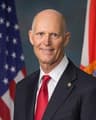
Rick Scott (R-FL)
Lifting Local Communities Act
A Republican bill with 2 Republican cosponsors · See all 2 cosponsors
Last activity — Read twice and referred to the Committee on Finance.
In committee
Introduced and handed to a committee in the chamber it started in.
The committee holds it, and most bills are never heard from again. A hearing or a committee vote would be news; silence is the usual outcome, and it kills the bill without anyone voting against it.
Its path through Congress
- Introduced
- In Committee
What this bill would do
The Lifting Local Communities Act aims to ensure religious organizations are treated equally to nonreligious organizations when applying for and receiving Federal financial assistance for social services. It prohibits discrimination against these organizations based on their religious character or exercise. The bill allows religious organizations to maintain their autonomy and religious identity while providing federally funded services. It also protects their existing legal religious exemptions. If a person objects to receiving services from a religious organization, the government must provide a referral to an alternative. Finally, it allows religious organizations to sue for violations of these rights.
Yes· 3 of 18
- Scored +9
Does this protect the freedom to practise a religion?
The bill explicitly protects the autonomy, expression, and religious exercise of organizations receiving federal funds.
- Scored +5
Does this protect what people are allowed to say in public life?
Protects the right of religious organizations to maintain their mission statements and religious symbols.
- Scored +5
Does this protect the individual right to speak freely?
Protects the ability of religious organizations to express their beliefs through mission statements and symbols.
The opposite· 3 of 9
- Scored -7
Would LGBTQ people be better off under this?
The bill explicitly protects exemptions from the Civil Rights Act and allows employment based on religious tenets.
- Scored -6
Does this expand the rights of LGBTQ people?
The bill preserves religious exemptions from the Civil Rights Act and allows employment decisions based on religious tenets.
- Scored -6
Would people with disabilities be better off under this?
Ensures that religious organizations maintain exemptions from the Americans with Disabilities Act.
Who it would affect, and how
Potential Positive Impacts for People
-
Expanded Service Options: Individuals and families in need may have more choices for receiving federally funded social services because more religious organizations can enter or expand their efforts in providing these services (Section 2).
-
Equal Access for Organizations: Religious organizations can compete for Federal financial assistance on the same basis as private nonreligious organizations, ensuring they are not disqualified based on their religious affiliation (Section 3(b)).
-
Protection of Religious Freedom: Religious organizations can receive Federal funds without having to remove religious symbols from their facilities or change their mission statements (Section 3(c)).
-
Referral to Alternatives: If a person has an objection to the religious character of an organization providing services, the government must provide a referral to an alternative service of substantially similar value (Section 3(d)(3)).
Potential Negative Impacts for People
-
Employment Decisions: Religious organizations may select or dismiss employees based on the employee's adherence to the organization's religious tenets (Section 3(c)(2)(D)).
-
Limited Program Modifications: Programs funded by Federal financial assistance can refuse to modify program components to accommodate a person participating in the program (Section 3(d)(2)).
-
Preservation of Exemptions: Religious organizations maintain exemptions from certain laws, such as the Americans with Disabilities Act and the Civil Rights Act, even when receiving Federal funds (Section 3(e)).
Groups and Interests Ranking
Every group the model scored this bill for, from -10 to +10. Tap or hover a score for the reason it gave.
- Social Issues And Justice
- Does this protect the freedom to practise a religion? — The bill explicitly protects the autonomy, expression, and religious exercise of organizations receiving federal funds. Does this protect what people are allowed to say in public life? — Protects the right of religious organizations to maintain their mission statements and religious symbols. Is this likely to lift people out of poverty? — The bill aims to strengthen the capacity of social services directed at reducing poverty by including more religious providers. Does this make child care cost less? — Increasing the number of eligible religious childcare providers may expand available options for families. Does this make housing cost less? — Religious organizations providing housing assistance under federal law will have more secure access to funding. Is this likely to reduce homelessness? — Expanding the pool of federally funded organizations providing social services may increase support for homeless populations. Does this expand the rights of LGBTQ people? — The bill preserves religious exemptions from the Civil Rights Act and allows employment decisions based on religious tenets. Does this expand the rights of people with disabilities? — The bill explicitly ensures that religious organizations do not waive their exemptions from the Americans with Disabilities Act when receiving federal funds. Does this narrow the gap between how men and women are treated? — Protection of religious exemptions in employment and service provision could lead to discriminatory practices against women in some organizations.
- Demographic And Interest Groups
- Would households on low incomes be better off under this? — Increases the number of potential service providers for poverty reduction and self-sufficiency programs. Would people in rural areas be better off under this? — Rural areas often rely heavily on religious organizations for social services, which will now have easier access to federal funds. Would children be better off under this? — May increase access to federally funded childcare and protective services via religious organizations. Would retired people be better off under this? — Potentially increases the availability of federally funded nutrition and care services for seniors. Would people over 65 be better off under this? — May increase availability of adult day care and special needs services for older individuals. Would LGBTQ people be better off under this? — The bill explicitly protects exemptions from the Civil Rights Act and allows employment based on religious tenets. Would people with disabilities be better off under this? — Ensures that religious organizations maintain exemptions from the Americans with Disabilities Act. Would women be better off under this? — Religious exemptions in employment and services may lead to reduced protections or access for women in some settings.
- Healthcare
- Does this make mental health care easier to get? — By allowing more religious organizations to provide federally funded substance abuse and counseling services, access may increase. Does this do more about addiction and overdose deaths? — The bill facilitates the expansion of federally funded substance abuse treatment provided by religious organizations. Does this make health care easier to get in general? — Increased number of providers for health support services could improve general access in underserved areas. Does this make abortion easier to get? — Religious organizations may use their autonomy to refuse services that conflict with their beliefs, potentially limiting access to certain healthcare.
- Economy And Finance
- Is this likely to create jobs? — Expanding the pool of organizations eligible for federal grants may increase employment within the social services sector.
- Environment Energy And Infrastructure
- Does this invest in rural communities? — Religious organizations often provide essential social services in rural areas where other providers are scarce.
- Governance And Ideology
- Does this protect the individual right to speak freely? — Protects the ability of religious organizations to express their beliefs through mission statements and symbols. Does this give the federal government more power? — The bill includes a federal preemption clause that overrides state and local laws regarding these specific religious protections. Does this leave more decisions to the states? — The bill preempts state and local laws that might contradict these federal protections for religious organizations. Does this make what the government does easier for the public to see? — The bill allows religious organizations to segregate funds, potentially limiting the scope of federal audits.
- 9/18/2025
- Read twice and referred to the Committee on Finance.
- 2 Cosponsors added.
- Introduced in Senate
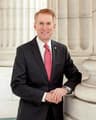 James Lankford
Republican · Oklahoma
 Tim Scott
Republican · South Carolina